Insulated factory-matched panels
At that income level, homeowners here are more often choosing steel insulated panels with factory-matched finishes rather than the bare, unpainted replacement panels that keep a lower-cost repair cheap.
Algonquin, Hoffman Estates
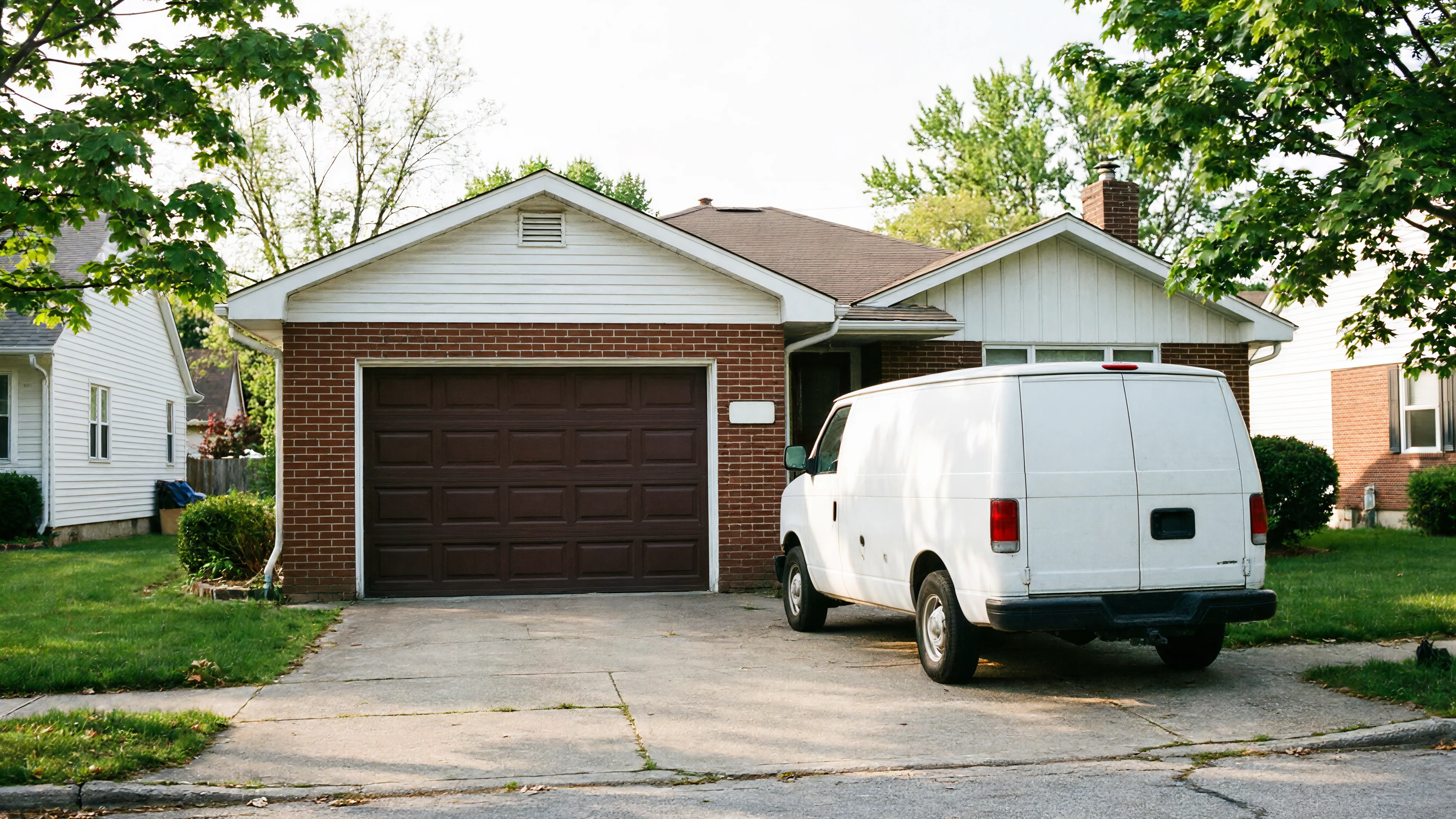
Algonquin's median household income tops $131,000 and most homes date to the mid-1990s. See where a single panel swap beats a full door replacement here.
On the truck
Algonquin's median household income runs $131,753, well above the $111,898 median across our wider service area, and that number matters more than people expect when a panel gets dented.
At that income level, homeowners here are more often choosing steel insulated panels with factory-matched finishes rather than the bare, unpainted replacement panels that keep a lower-cost repair cheap.
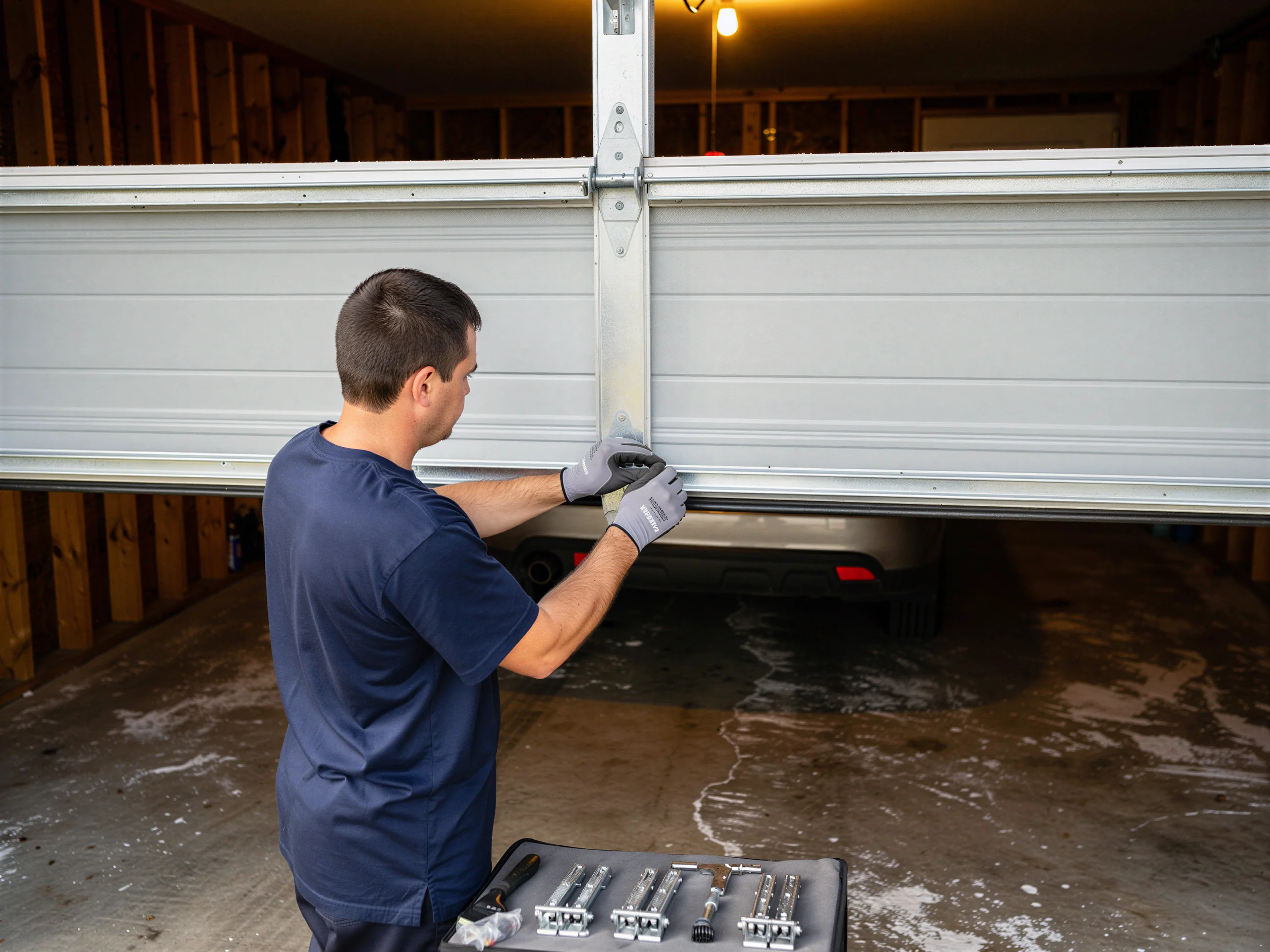
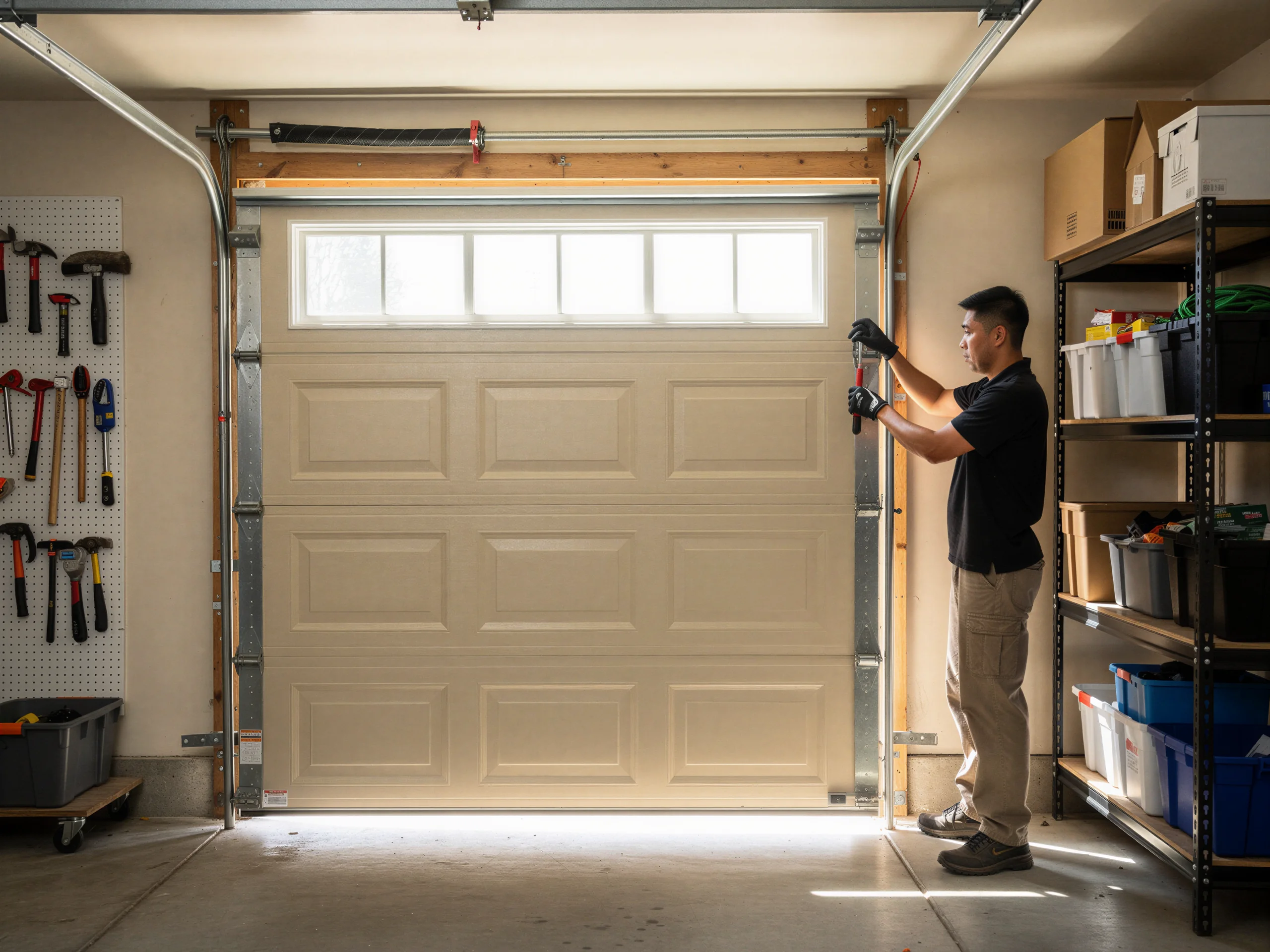
We carry common steel panel sizes and foam-backed insulated sections on the truck, but Algonquin's newer housing stock - most of it built around 1994 - tends to run factory colors and panel profiles tied to specific door lines from that era. If your door is a widely sold brand from the 1990s, we can usually match the panel from stock.
If it's a less common line, we order the exact panel rather than sell you a visible mismatch, and that order can take time. We'd rather tell you that up front than hand you a door with one panel that doesn't quite match the rest.
Watch-outs
A single cracked or caved panel on a door this age is rarely the only issue. Doors built around the early-to-mid 1990s often still run original rollers and hinges, and once one panel takes a hit - from a car bumper, a wind-driven branch, or just age and flex - the hinge stiles on either side take extra stress every time the door cycles. We see the panel get replaced while the adjacent hinge or roller bracket, quietly bent from the same impact, keeps grinding until it fails weeks later. On a double-wide door, a bowed center panel can also throw the track alignment off just enough that the opener strains on every cycle. We check hinges, rollers, and track alignment any time we're replacing a panel, because fixing the visible damage and ignoring the hidden stress is how a one-visit job turns into two.
Local causes
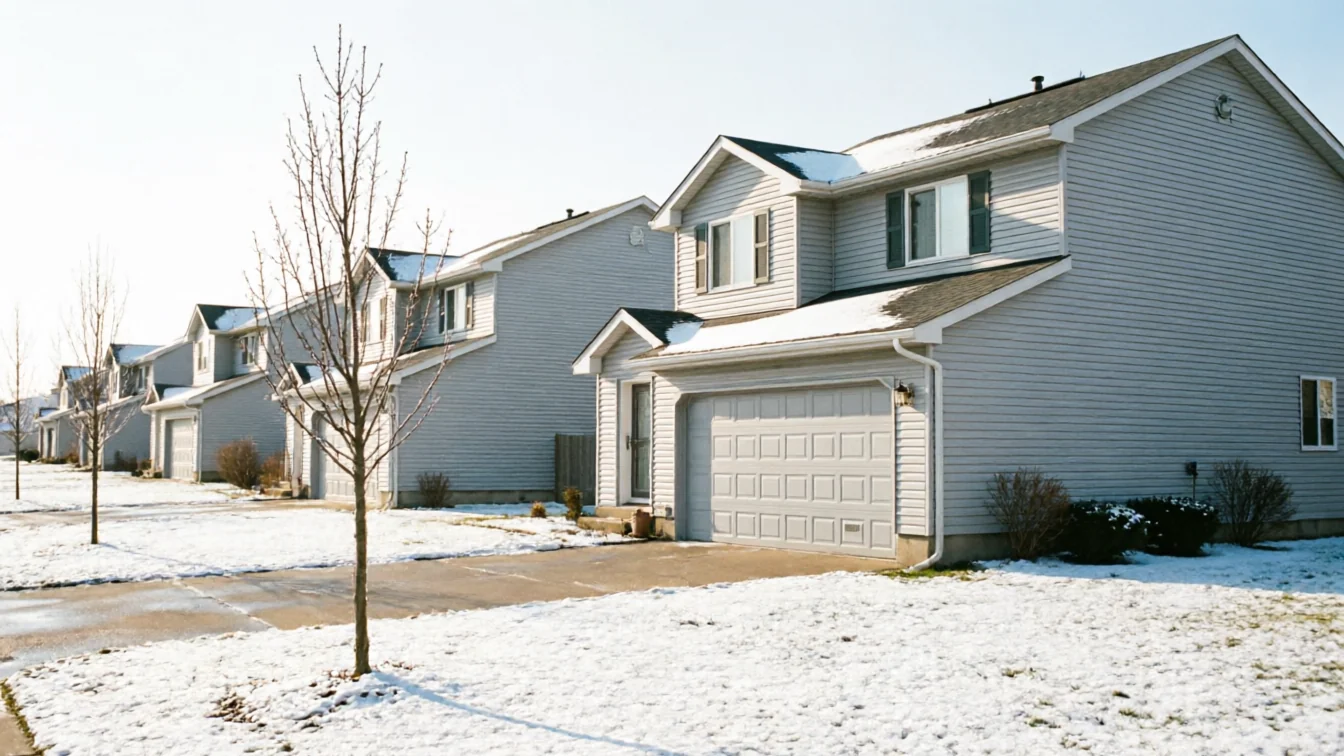
Algonquin sits in a severe cold climate band, and homes built in the 1994 range typically have steel panels with a thinner gauge and lighter insulation than what's sold today. Over a winter, repeated freeze-thaw cycling works at the seams between panel sections, and the foam-core insulation in doors from that build era doesn't hold its shape as well after two-plus decades of expansion and contraction. That's a different failure pattern than you'd see in a neighborhood built in the 2000s with heavier gauge steel and polyurethane cores. In Algonquin specifically, with roughly 10,914 households and a housing stock concentrated in that mid-90s window, we're replacing the same generation of panel on a lot of these doors, which is part of why we can usually tell you on the phone whether your panel size is one we stock or one we'll need to order.
Booking
We cover Algonquin from our Hoffman Estates base, about 11 miles out, so a visit here gets scheduled rather than walked up to same-day.
When you call, tell us the door brand if it's visible on the panel edge or the opener unit, the rough age of the house, and whether the damage is one panel or spread across the bottom section - that's usually enough for us to tell you if we're bringing a stocked panel or placing a special order before we ever drive out.
Measuring wrong on a panel order means a second trip, so we'd rather ask a few extra questions on the phone than guess.
Downtime
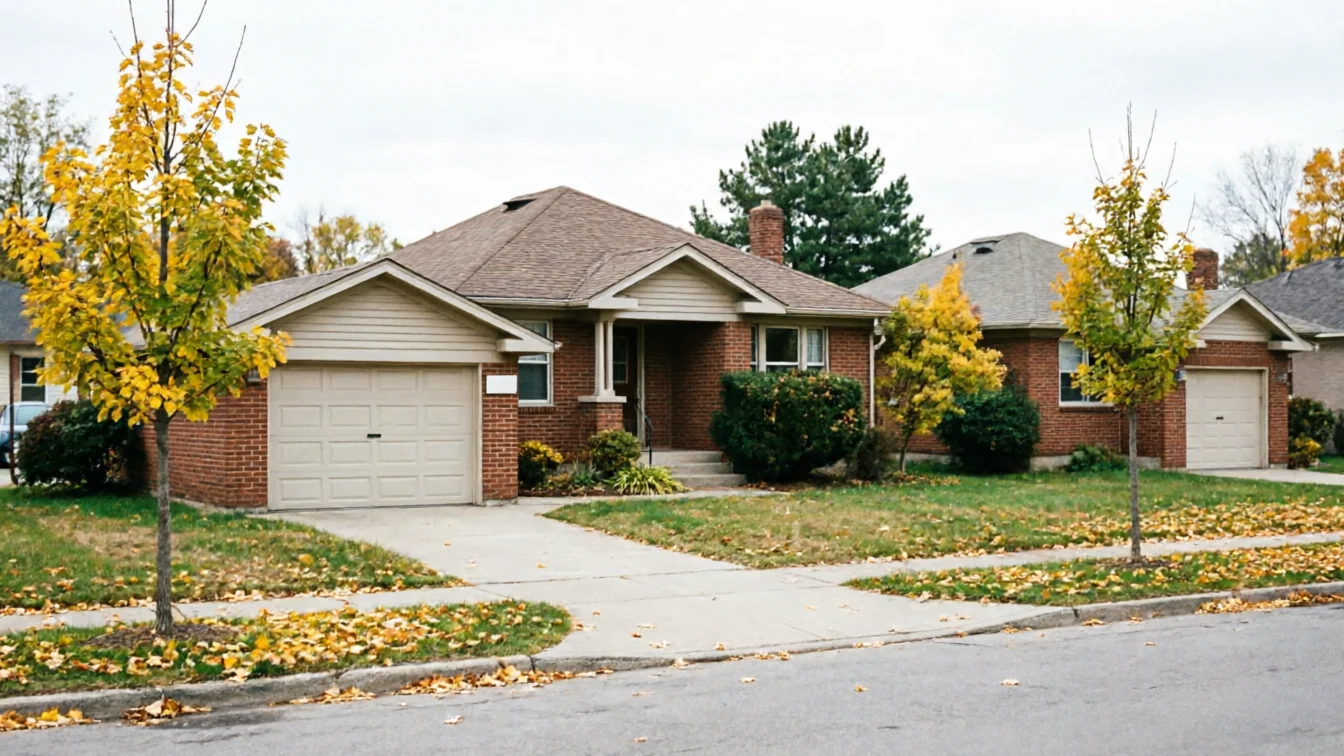
A stocked panel swap is typically a same-visit job once we're on site - cut the damaged section free, set the new panel, re-hang and re-tension. If your panel has to be special-ordered because it's an uncommon profile or discontinued color match, the door stays usable in the meantime as long as the damage hasn't compromised the track or opener operation; we'll tell you plainly if it hasn't. The real question at Algonquin's income and housing profile is often whether a panel repair is worth doing at all versus replacing the whole door - if your door is already near the end of its service life, we'll say so instead of selling you a patch on a door that needs replacing in two years anyway.
Questions
If your door is a common brand and size, often yes - we carry standard steel panels and insulated sections on the truck. Algonquin's housing stock from the mid-1990s includes some less common profiles and discontinued colors, and for those we order the exact match rather than install something visibly different.
Depends on the door's age and condition. If the rest of the panels, hinges, and track are sound, a single panel swap is the cheaper, faster fix. If the door is already near the end of its life, we'll tell you that a full replacement makes more financial sense than patching it.
We run out of Hoffman Estates, about 11 miles away, so Algonquin jobs are scheduled rather than same-day drop-ins. Call with your door's brand and panel size and we can usually tell you on the phone whether we're bringing a stocked part.
Doors built around that era generally used thinner steel gauge and lighter foam insulation than current production. In a severe cold climate, repeated freeze-thaw cycling works at those seams over the years, which is a common failure pattern in homes of that build age.
Explore more
Ready when you are
Hoffman Estates Garage Door Pros repairs and installs garage doors, springs and openers in Hoffman Estates, IL and the surrounding area.