
Blog
Garage Door Service for Hoffman Estates' 1980s-Era Housing
Hoffman Estates homes built 1955-2009 often carry uninsulated doors that fail in severe cold. Local repair, replacement, and seasonal advice from a crew that works this housing stock.
What Changes With the Season
A severe cold climate does specific things to a garage door that a mild one never will. Steel panels contract and the gap at the bottom seal opens up wider than it looks. Nylon rollers stiffen and start grinding in the track instead of rolling through it. On a lot of Hoffman Estates houses, built between 1955 and 2009 with a median year around 1981, the original door is a single steel skin with no foam core, because insulation requirements for garage doors weren't part of the energy code when most of this stock went up. That means the door itself is a cold surface, not just a barrier, and it radiates that cold into an attached garage all winter. Springs feel it too. Cold steel is less forgiving under tension, and a torsion spring that's been cycling for fifteen or twenty years is more likely to let go on the coldest week of January than in June. If your door groans before it moves, or the opener strains and reverses on cold mornings, that's not a mystery - it's the same fifteen pounds of extra resistance every uninsulated door picks up below freezing.
When It Stops Being a DIY Job
Lubricating hinges and tightening loose bolts is fair game for a homeowner. A broken torsion spring, a cable that's jumped the drum, or a door that's come off track is not - the spring alone stores enough force to break a hand, and that risk doesn't change because the door is old or new. On the 1980s and 90s-built housing that makes up most of this area, we also see a specific DIY mistake: someone replaces a worn weatherstrip or adds a retrofit insulation kit but leaves the original hardware, which was sized for a lighter, uninsulated panel. Bolt it to heavier foam-filled panels without rebalancing the spring and the opener takes the extra load instead, and that's how openers burn out two years early. If a repair involves anything under tension - springs, torsion bars, extension cables - that's the line where it's worth a call instead of a wrench.
What Local Conditions Do
With 431,668 households and 215,904 owner-occupied houses across this service area, most built in that 1955-2009 window, the housing stock here skews toward doors and openers that are now old enough to be on borrowed time, mechanically. Combine that with a severe cold climate and the failure pattern repeats itself: steel doors without a foam core lose their R-value fast, the bottom seal hardens and cracks in the cold, and gaps let in enough air to make an attached garage noticeably colder than the rest of the house. We also see it on the income side - a median household income of $111,898 means a lot of owners choose to replace an aging uninsulated door with an insulated steel or composite one rather than patch it every winter, since the payoff is a quieter, warmer garage and fewer emergency spring calls. That's a reasonable call on a house from this era, not an upsell.
The Situation
We work out of Hoffman Estates and cover the nearby towns in this corridor - South Barrington, Streamwood, Inverness, East Dundee, Barrington Hills, Hanover Park, Roselle, Bartlett, Deer Park, Carpentersville, Sleepy Hollow, Bloomingdale, Itasca, Fox River Grove, Wayne, Kildeer, South Elgin, North Barrington, Lake Barrington, Carol Stream, West Dundee, Glendale Heights, Algonquin, Wood Dale, Cary, Long Grove, Lake in the Hills, Gilberts, Prospect Heights, and Addison - all sitting in the same cold-climate band with similar-aged housing. The honest limit: if your door is original to a house built in the 1960s or 70s and the track, hardware, and opener are all original too, a spring or cable fix is often a short-term patch on parts that are near the end of their life anyway. At some point replacing the whole door and hardware together costs less over five years than three separate emergency calls. We'll tell you when you've hit that point instead of just fixing the one thing that broke.
Questions
Common questions
Why does my garage door get so much harder to open in winter?
Cold steel contracts, hardening lubricant in the rollers and tightening tolerances in the track. On an original uninsulated door - common in houses built here between 1955 and 2009 - the panel itself also gets stiffer and heavier-feeling in severe cold, which puts more strain on the spring and opener at the exact time of year they're least able to absorb it.
Is it worth insulating an old garage door instead of replacing it?
Sometimes, but the hardware matters. A retrofit insulation kit adds weight the original spring and opener weren't sized for. If the door, track, and opener are all original to a 1980s or earlier build, replacing the whole setup with a properly matched insulated door is usually the more reliable fix, not just the fancier one.
How do I know if a spring is about to break?
Grinding, uneven lift, or the door looking crooked as it opens are the usual warning signs, along with visible gaps in the spring coil. Given how many houses in this area are now 40 to 70 years old, springs original to the house are well past the point where waiting makes sense - that's not a DIY repair regardless of age.
Recommendation
You Might Also Like
More garage door guides for Hoffman Estates homeowners.
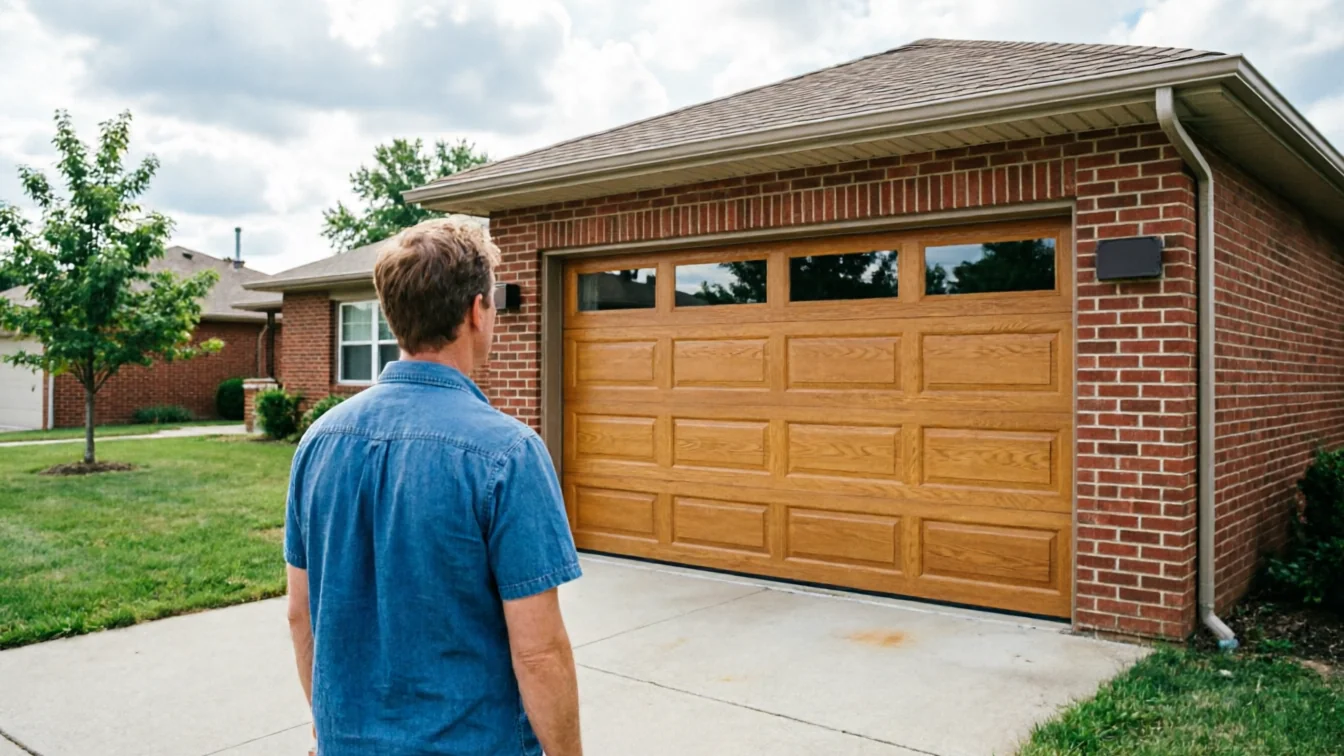 What Hoffman Estates Winters Do to a Garage Door Built Before 2009
Hoffman Estates homes built 1955-2009 face cold-severe winters that stress garage door hardware.
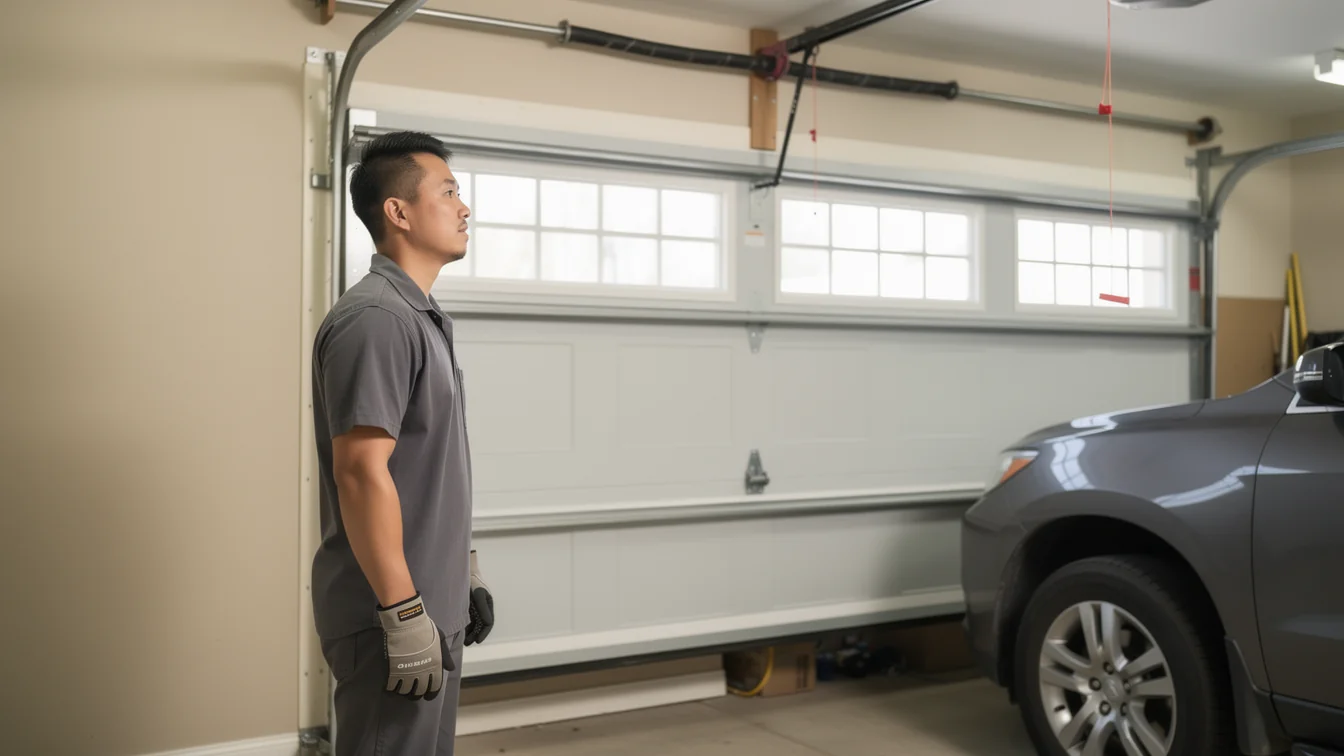 Knowing When a Hoffman Estates Garage Door Is Done For Good
Hoffman Estates homes mostly date 1955-2009, in a cold-severe climate zone.
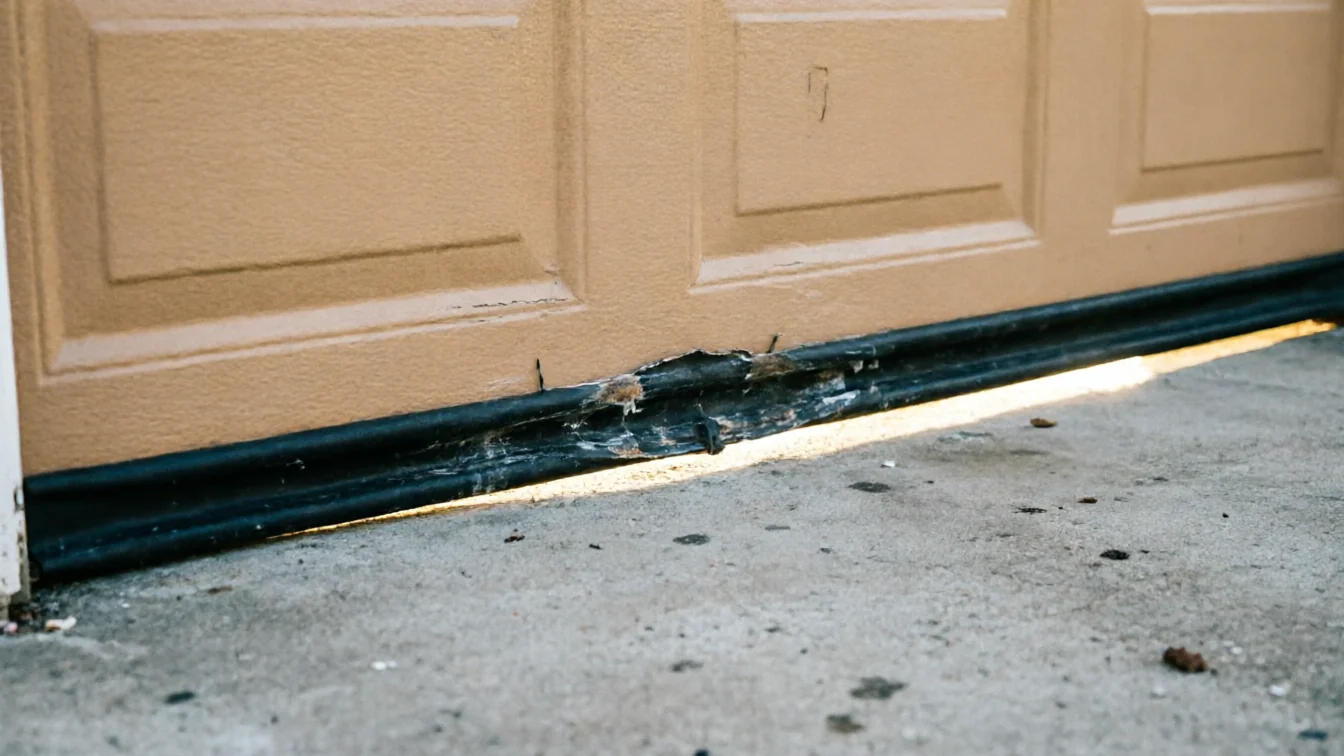 What to Know Before You Buy a New Garage Door Here
A buying guide for Hoffman Estates homeowners replacing a garage door, built around this area's 1955-2009 housing stock and severe cold winters.
Ready when you are
Need a garage door sorted in Hoffman Estates?
Hoffman Estates Garage Door Pros repairs and installs garage doors, springs and openers in Hoffman Estates, IL and the surrounding area.