
Blog
What a Technician Checks First
In Hoffman Estates, IL, technicians start with the spring, track, and hardware common to homes built 1955-2009, checking what the cold stresses first.
What Changes With the Season
When a tech pulls up to a Hoffman Estates house, the first thing on the clipboard is the build era, not the symptom the owner called about. Most homes here went up between 1955 and 2009, with the median sitting around 1981, so a huge share of the doors on this side of town are original one-piece or sectional units on torsion hardware that was never upgraded. That matters because Hoffman Estates sits in a cold-severe climate band. Steel contracts in the cold, grease stiffens, and a spring that was fine in September can bind or snap by January. So before touching the opener or the remote, a tech checks the spring wind, the cable tension, and whether the track bolts have backed out from decades of thermal cycling. On a house with 1980s hardware, that's often the real complaint, even when the owner thinks the opener is dying. It's a cheap check and it saves a truck roll back out in February when the real failure shows up.
When It Stops Being a DIY Job
A lot of Hoffman Estates homeowners will grease a roller or tighten a bracket themselves, and that's fine. Where it stops being a DIY job is the torsion spring itself. On houses built in the 1980s and 90s, which is most of this stock, the springs are wound to a tension that can break a wrist or worse if the winding bars slip, and cold steel is more brittle than warm steel, so a spring that looks fine in July can shear in a hard freeze without warning. A tech also checks whether the drum and cable are original to the house or a mismatched replacement from an earlier repair, because on 1980s-era double doors that's common, and a mismatched set is what causes a door to drop unevenly instead of failing clean. If the spring is original to a house built before 1990, the honest answer is usually replacement, not a patch job, since parts for that generation of hardware aren't always a same-day pickup anymore.
What Local Conditions Do
Cold-severe conditions do two things to a garage door that a mild-climate town never deals with. First, lubricant on rollers and hinges thickens, which adds drag the opener has to fight every single cycle, and that extra load is what burns out gears and belts early. Second, steel track and torsion springs lose a little bit of temper with every deep freeze-thaw cycle, which is why a spring rated for a certain number of cycles in a moderate zone often falls short of that number here. On houses from the median 1981 build year, the track brackets are also original lag-bolted wood framing in a lot of cases, and cold makes that wood shrink just enough that the bolts loosen faster than they would in a newer build with engineered framing. A tech checks bracket tightness and track alignment on almost every cold-weather call in Hoffman Estates for exactly that reason, not because it's standard procedure everywhere, but because the housing stock and the climate band push failures toward that spot specifically.
The Situation
Hoffman Estates is part of a service area where 431,668 households and 215,904 owner-occupied houses share a similar housing age, mostly 1980s and 90s construction, and a median household income of $111,898. That combination means a lot of these houses are due for a first or second garage door replacement, not a first repair, and a lot of owners are in a position to choose a steel insulated door over patching old hardware when a tech explains the real cost of repeated spring failures in a cold-severe climate. One honest limitation: if a door's track brackets are pulling out of rotted or shrunk framing, no amount of hardware swapping fixes that, and the frame itself needs attention before a new door goes in. That's not a call a tech can make from a phone estimate, which is part of why an in-person check comes first.
Questions
Common questions
Why does my garage door act up more in winter here than it used to?
Hoffman Estates sits in a cold-severe climate band, and steel springs and track lose a little flexibility with every deep freeze. On a house from the 1980s, which is the median build year for this area, that hardware is already decades into its cycle life, so winter is usually when a marginal spring or a loose bracket finally gives out.
Is it worth repairing an original 1980s door instead of replacing it?
It depends on what's failing. A worn spring or cable on an otherwise solid door is a straightforward repair. But if the track brackets are pulling loose from the framing or the panel itself is rusted through, repair costs start approaching replacement cost, and a tech will tell you that straight rather than keep billing small fixes.
How often should I have someone check my door in a climate like this?
There's no fixed number in the data, but a cold-severe climate ages spring steel and lubricant faster than a mild one, so homes on original 1980s-90s hardware tend to need attention sooner than the manual's schedule assumes. A quick seasonal check before the first hard freeze catches most of what would otherwise fail mid-winter.
Recommendation
You Might Also Like
More garage door guides for Hoffman Estates homeowners.
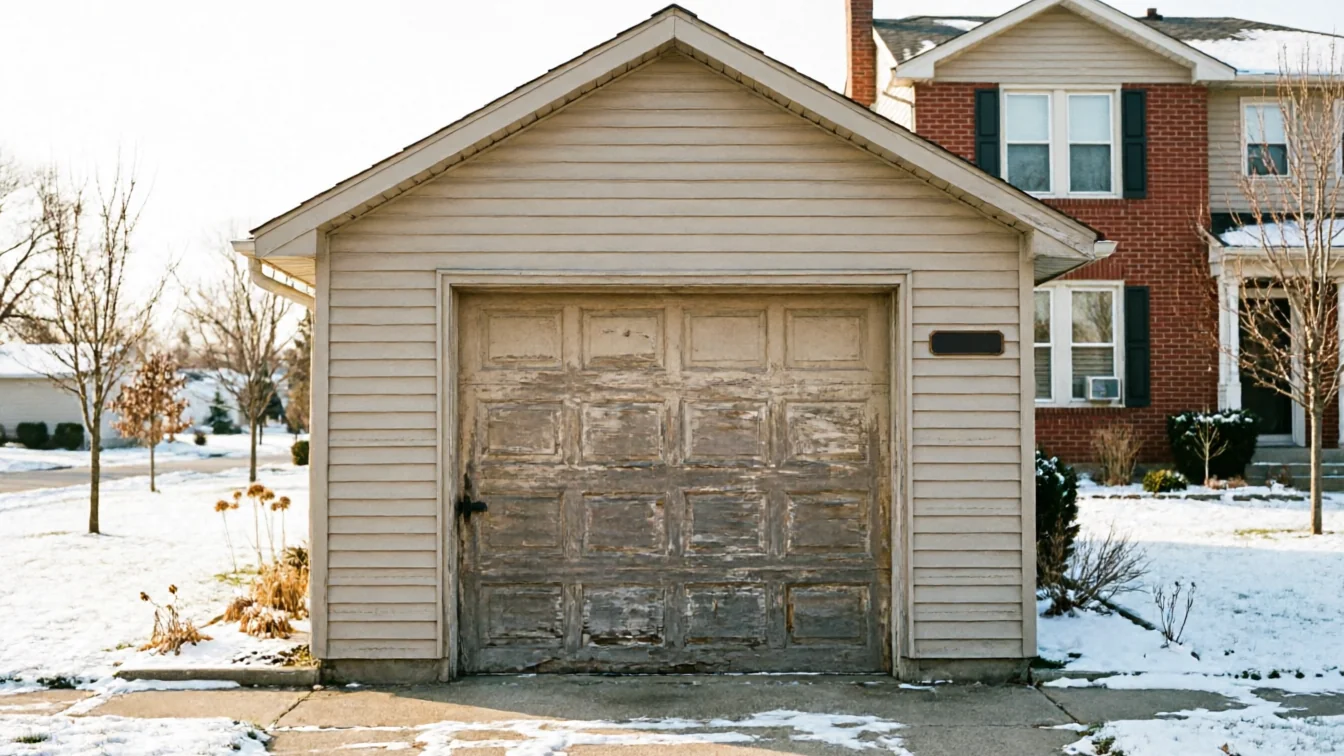 What a Service Call Actually Covers in Hoffman Estates
What a Hoffman Estates Garage Door Pros service call actually checks on homes built 1955-2009, tuned for this area's cold winters and original hardware.
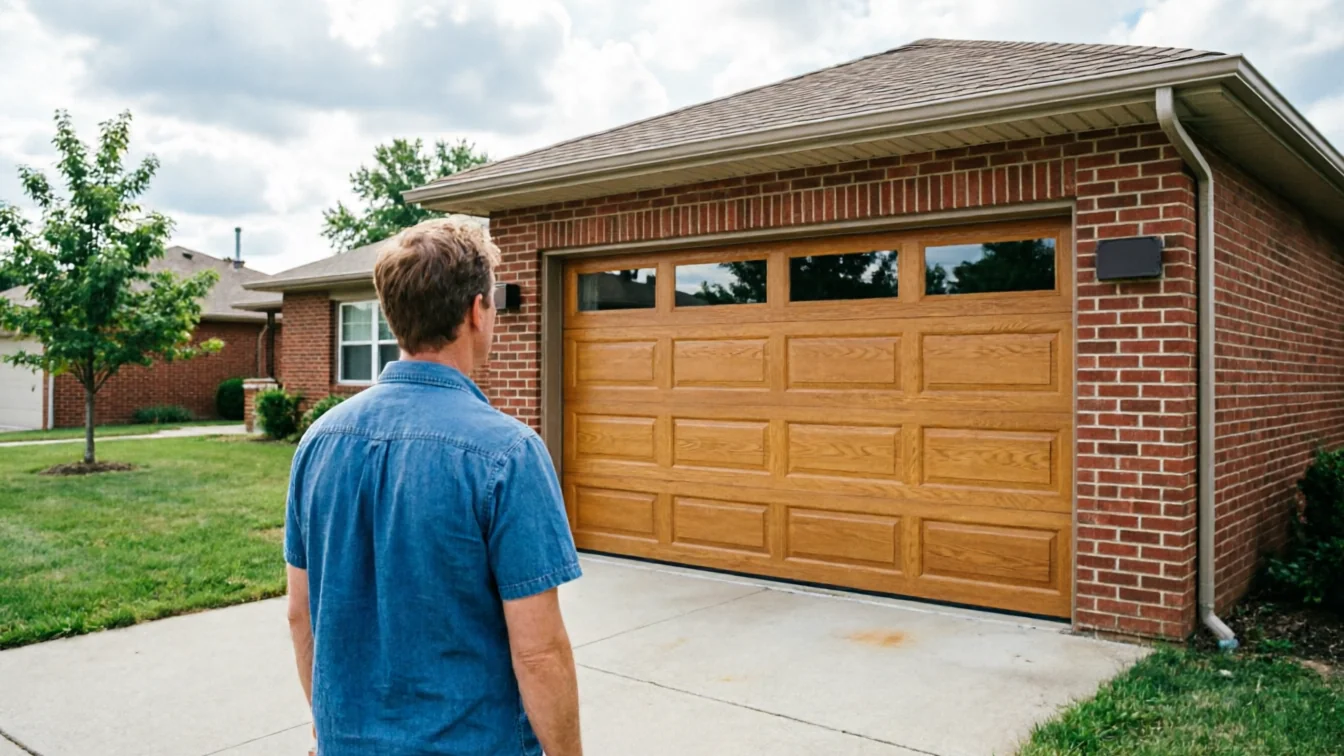 What Hoffman Estates Winters Do to a Garage Door Built Before 2009
Hoffman Estates homes built 1955-2009 face cold-severe winters that stress garage door hardware.
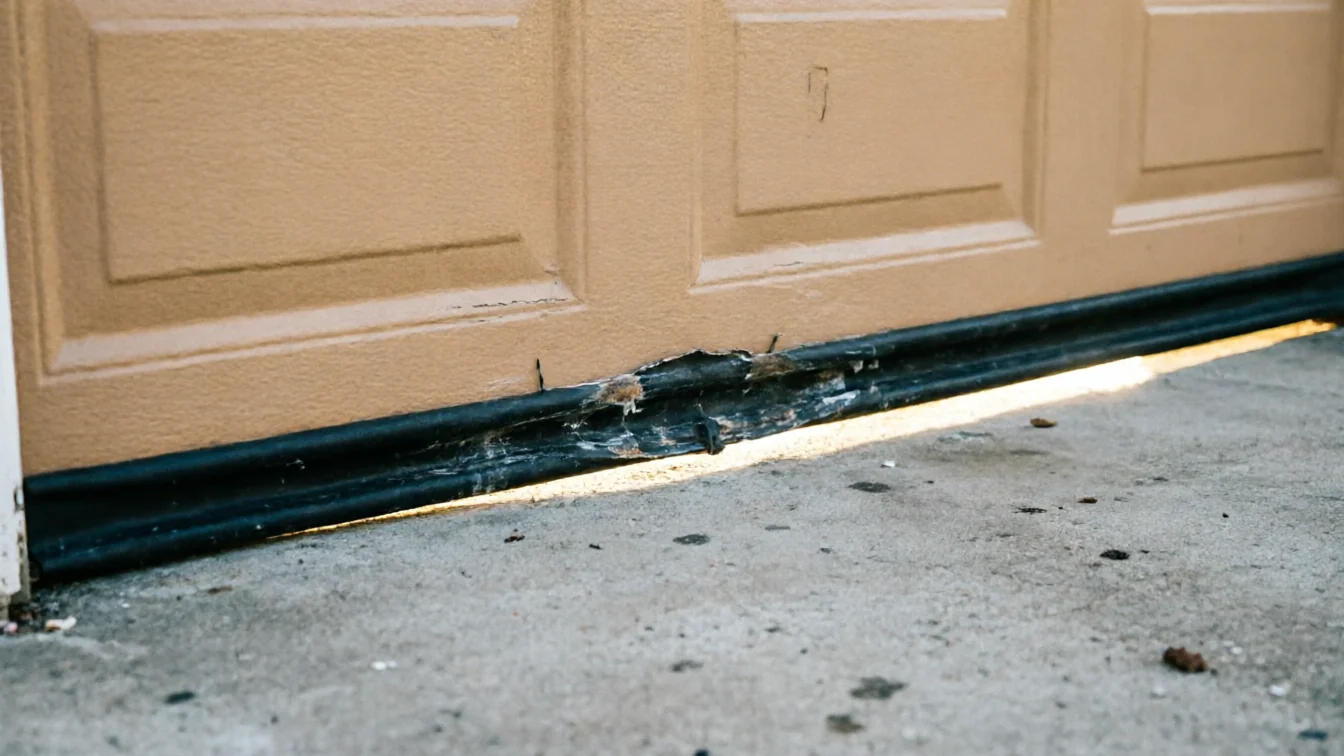 Garage Door Service for Hoffman Estates' 1980s-Era Housing
Hoffman Estates homes built 1955-2009 often carry uninsulated doors that fail in severe cold.
Ready when you are
Need a garage door sorted in Hoffman Estates?
Hoffman Estates Garage Door Pros repairs and installs garage doors, springs and openers in Hoffman Estates, IL and the surrounding area.