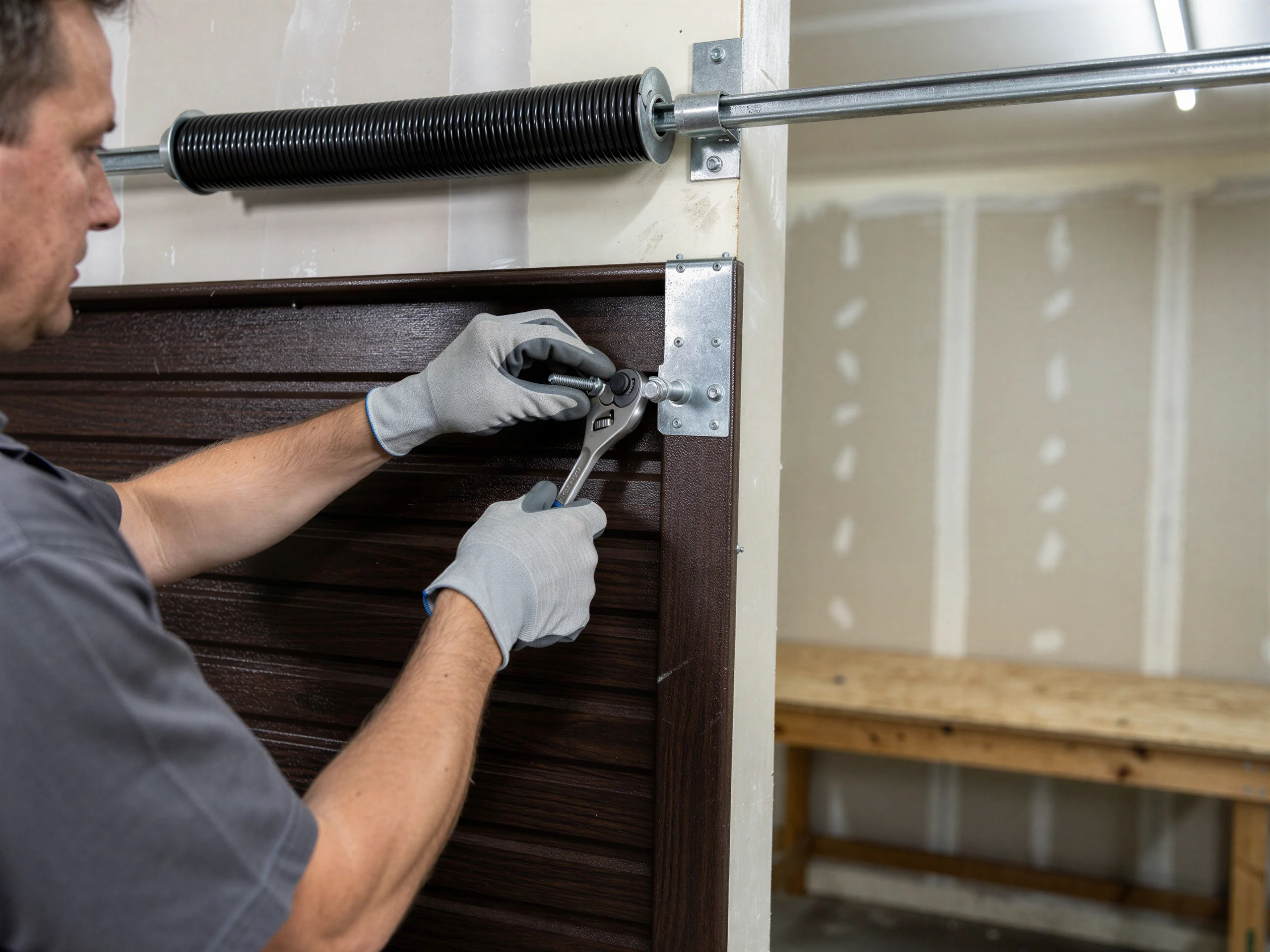
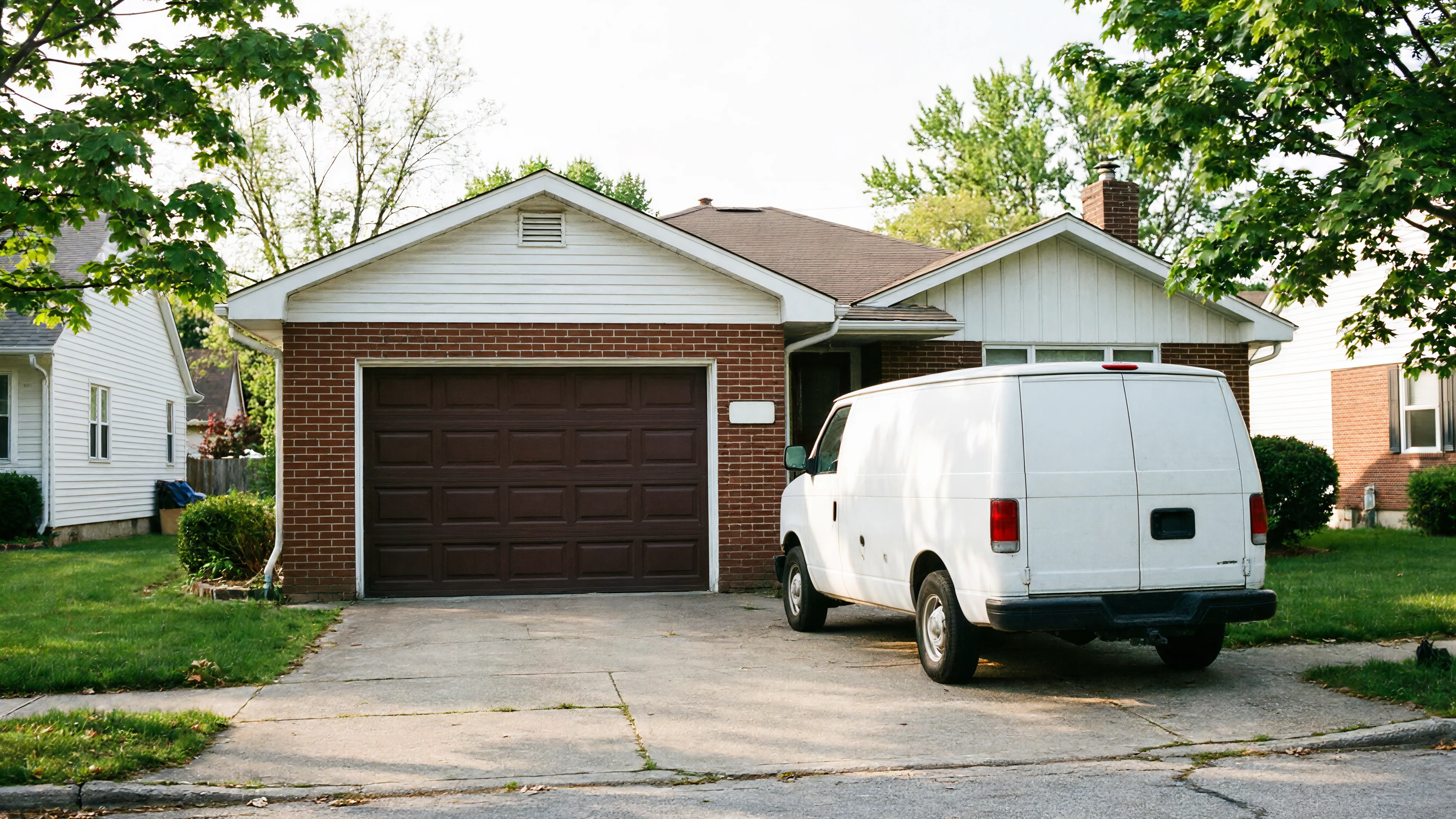
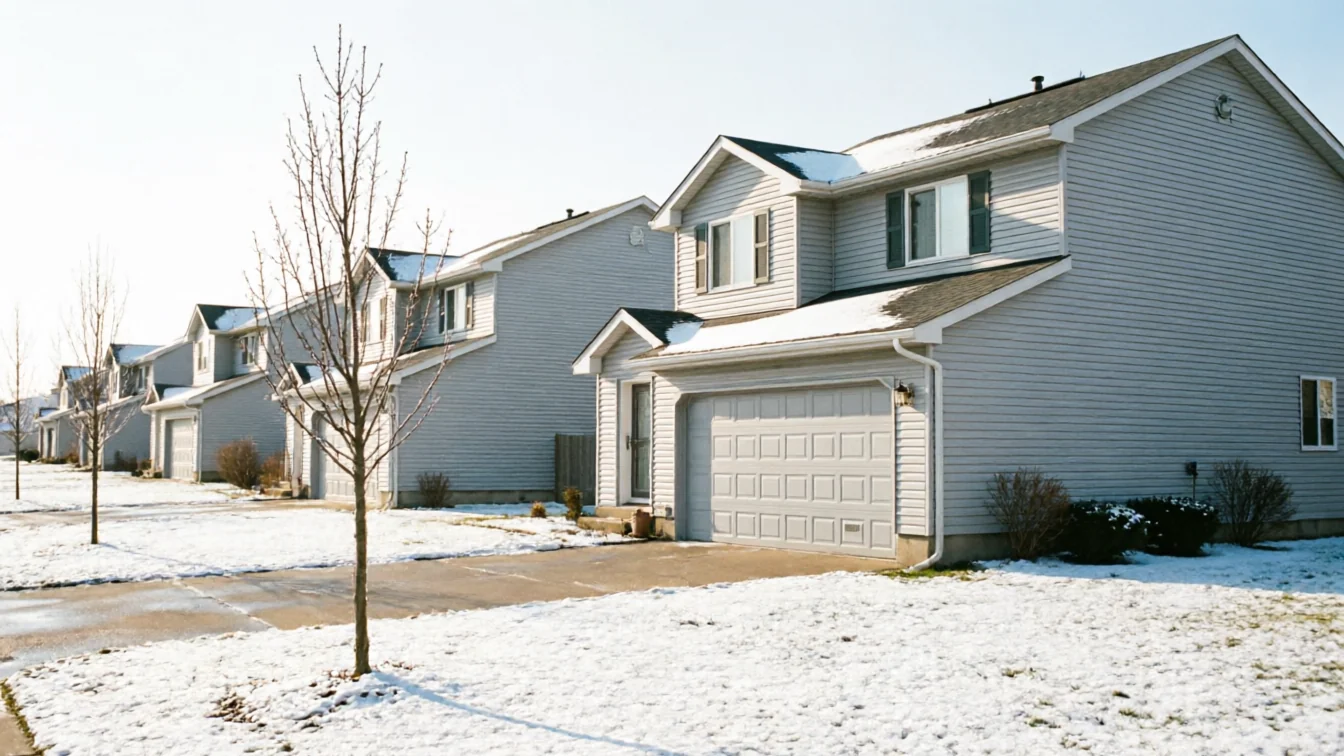
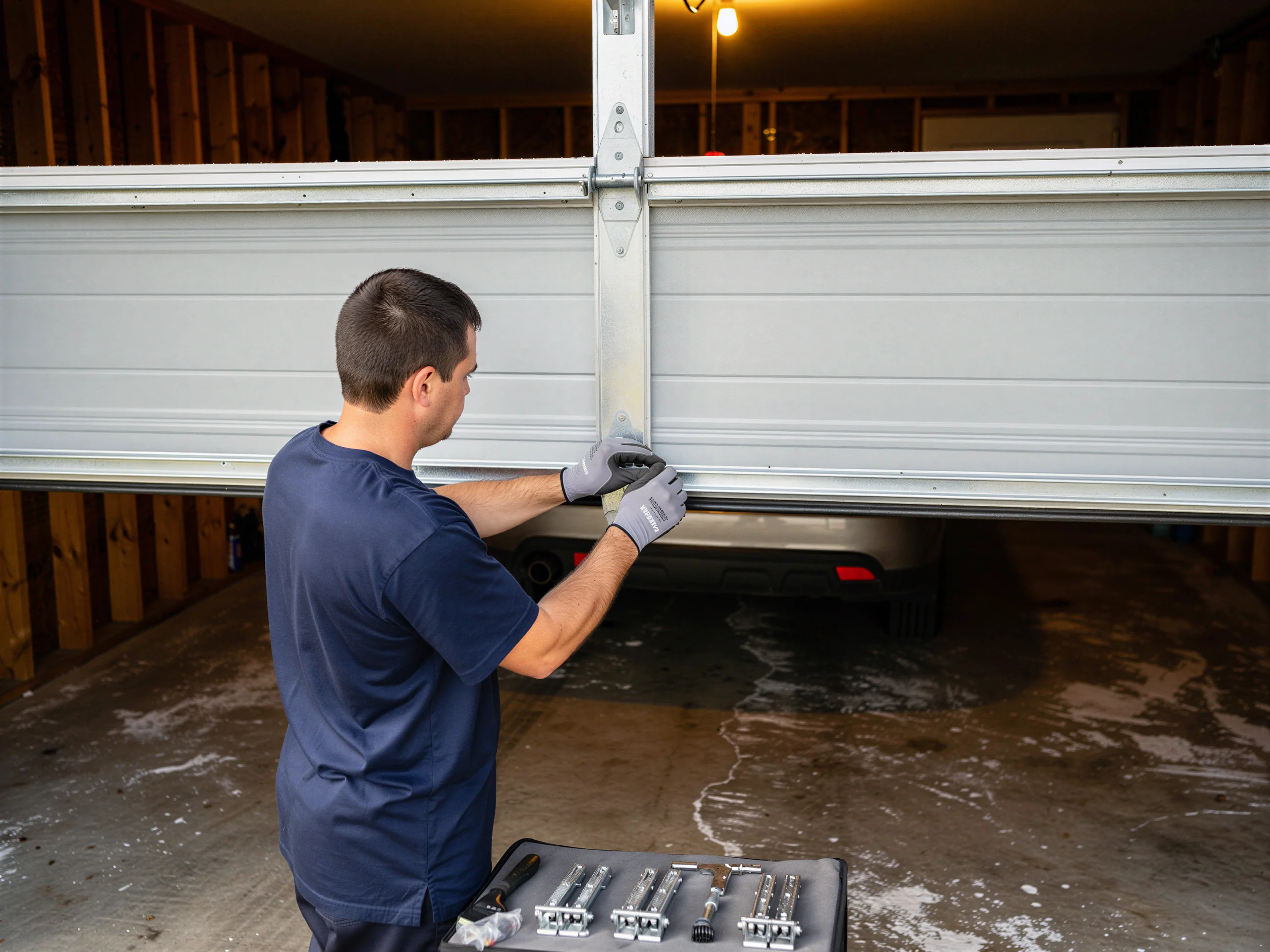
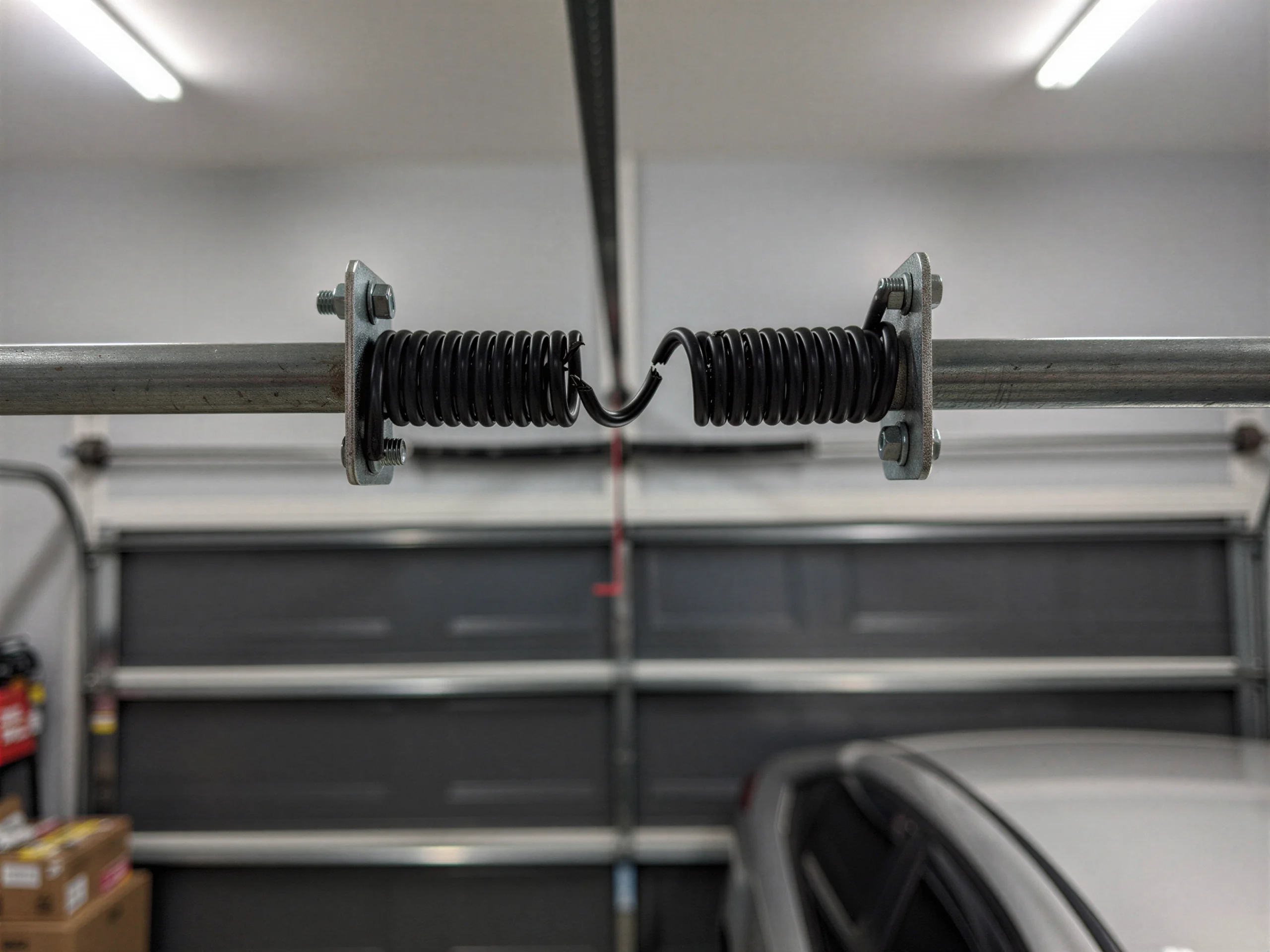
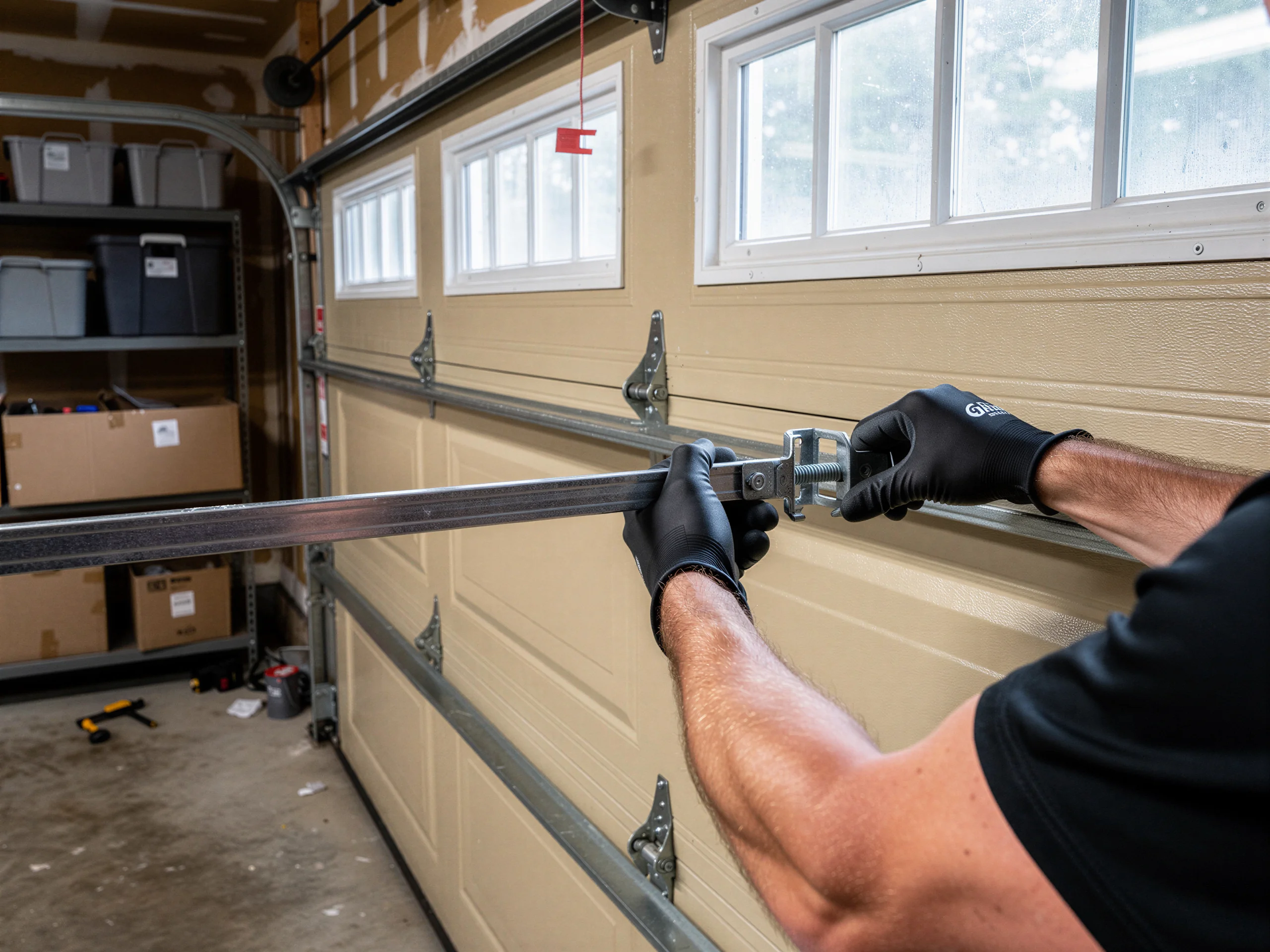
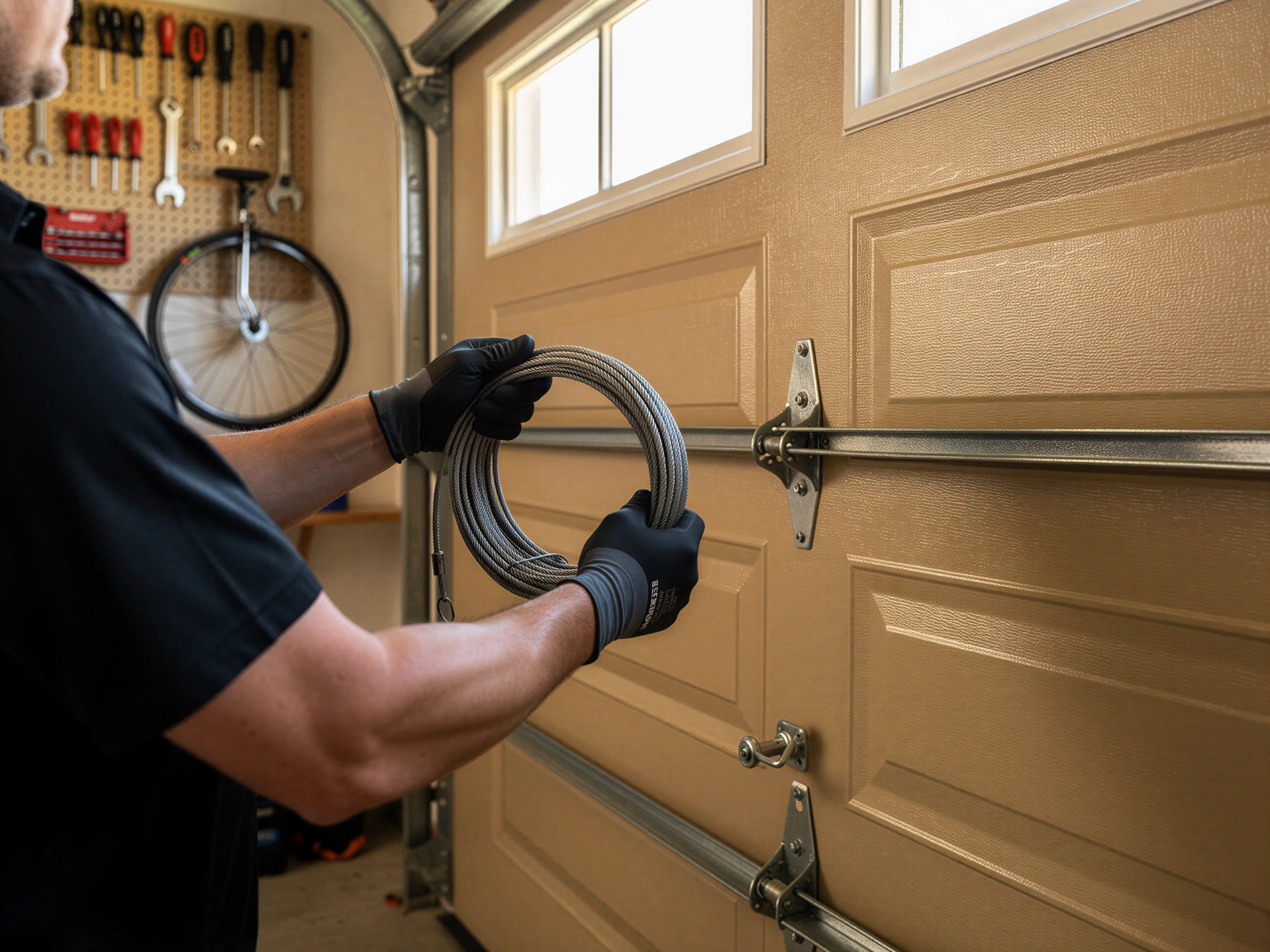
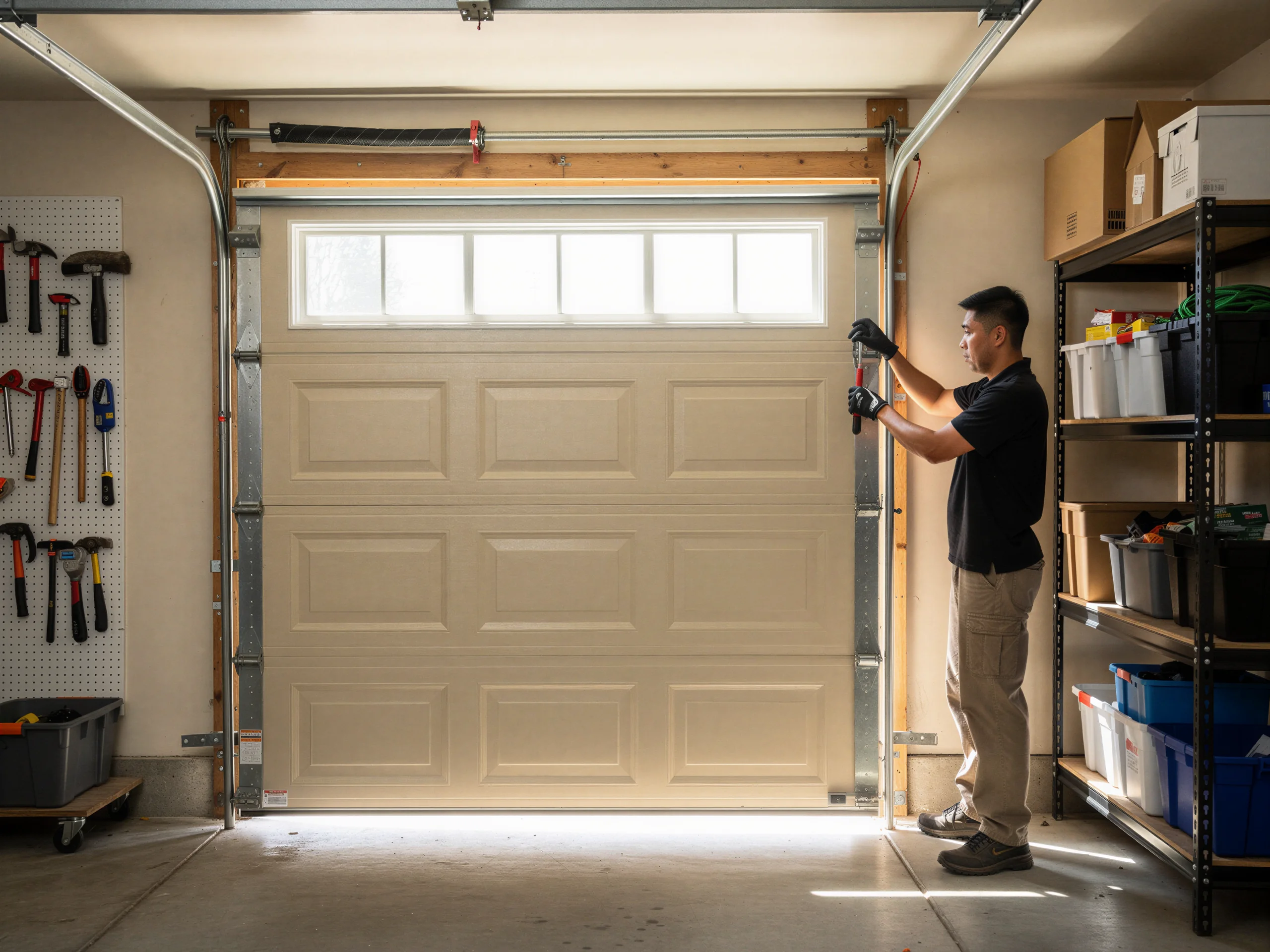
Three things line up in this market that don't line up everywhere. First, the housing stock: built mostly between 1955 and 2009 with a median year of 1981, which means a huge share of doors are old enough to have original hardware but not old enough that owners think of them as antiques needing attention. Second, the climate band here is classified as cold and severe, which means steel springs, cables, and track brackets go through repeated freeze-thaw cycling every winter that other regions simply don't see. That cycling is what tires out galvanized coatings and stiffens lubricant on schedule, year after year. Third, with 215,904 owner-occupied houses among 431,668 households across this market, a lot of these doors are original equipment on homes that have changed hands once or twice, and the maintenance history didn't always transfer with the sale. Put those three together - 1980s median-age hardware, severe cold, and inconsistent service history - and you get a door that fails predictably, just not on a schedule anyone wrote down.