
Blog
What That Garage Door Noise Is Actually Telling You
A grinding spring, a screeching roller, a bang on a cold morning - what each sound means on the 1980s-era doors common around Hoffman Estates, and when to stop ignoring it.
What Changes With the Season
The housing stock around here runs 1955 to 2009, with the median landing in 1981, so a lot of what's rolling up and down these tracks is original hardware or the first replacement cycle on it. That matters more here than in a mild-climate town because this area sits in a cold-severe band. Steel contracts in the cold. A track that's a hair out of alignment in August will bind hard by January, and the door that opened quiet all summer starts groaning the first week it drops below freezing. Grease that was fine in July turns thick and sluggish in January too, which is a separate problem from a bent track but sounds almost the same from the kitchen. If your door only makes noise on the coldest mornings and runs quiet by afternoon, that's the cold talking, not a part failing outright - yet. If it's loud every time regardless of temperature, the cold isn't the cause, it's just making an existing problem louder. The honest answer is you often can't tell which one you've got by ear alone; it takes someone looking at the track and spring with the door moving.
When It Stops Being a DIY Job
A lot of the doors we see in this area date to the 1980s and 90s build wave, which means the torsion springs on them are original or close to it - older than most of the owners calling about them. A squeak on the rollers is a lube job. A rhythmic thump once per revolution usually means a flat spot on a roller or a bent track section, and tightening the bolts you can reach won't fix either one. The sound that should stop you cold is a loud bang or pop followed by the door feeling heavy or refusing to move - that's very often a torsion spring letting go, and a spring under tension is not a bolt-and-wrench weekend project. We won't talk you through replacing one over the phone. It's not about withholding information, it's that a spring at full tension has enough stored force to break bones, and the stock sizes on a house built in that era aren't always what's sitting on a shelf at the hardware store down the street.
What Local Conditions Do
Put the climate and the housing age together and you get a specific pattern, not a generic one. Across the 81 named areas that make up this stock, most doors are 1980s-90s builds running original torsion springs that were never engineered for forty years of freeze-thaw cycling. Cold-severe winters here mean steel panels and tracks shrink and expand every day for months, and that repeated flex is exactly what fatigues a spring faster than age alone would. So the clanging, grinding, and off-rhythm noise people report tends to cluster in late fall through deep winter, then quiet down in spring - right up until the spring actually fails, which it tends to do on one of the coldest mornings of the year, not gradually. If you're a couple miles over in South Barrington or out toward Streamwood, the same aging stock and the same winters are doing the same thing to those doors. This isn't a sound you fix once and forget; it's a maintenance rhythm tied to the season.
The Situation
With median household income in this area at $111,898, most of the owners we talk to aren't looking to patch something twice - they'd rather know straight up whether a noise means a ten-minute lube job or a spring that's on its way out. We'll tell you which one it is before we talk about fixing it. The limitation worth saying plainly: on a door built to the sizing standards of the 1980s and 90s, matching torsion spring wire gauge and wind exact sometimes takes a part we don't have on the truck that day, and we're not going to put the wrong spring on your door just to finish the job in one visit. If that's where you land, we'll tell you the wait instead of guessing. Call before the noise becomes a door that won't open at all.
Questions
Common questions
Why does my garage door only make noise in the morning when it's cold?
Steel tracks and torsion springs contract in cold-severe winters like the ones here, and old grease thickens up overnight. By afternoon, once things warm a few degrees, the noise often disappears. It doesn't mean the problem went away - it means the cold is amplifying something already slightly off, like a track out of alignment.
Is a loud bang from my garage door always a broken spring?
Not always, but it's the most common cause, especially on doors from the 1980s-90s build wave that are still running original hardware. A bang followed by the door feeling heavy or stuck is a strong signal. A single bang with the door still opening fine could be something looser, like a bracket.
Can I just add oil to a squeaky roller myself?
Yes - a steady squeak on rollers is usually a lubrication issue, and lubricating hinges and rollers is reasonable DIY work. Where you should stop is anything involving the torsion spring itself; that part is under enough tension to cause serious injury if it's handled wrong.
Why does my 1980s door sound different than a newer one down the street?
Housing in this area was mostly built between 1955 and 2009, median 1981, so a lot of original torsion springs and tracks are still in service decades past when they were installed. Older steel, older hardware, and forty-plus winters of freeze-thaw cycling will sound different than something installed in the last ten years.
Recommendation
You Might Also Like
More garage door guides for Hoffman Estates homeowners.
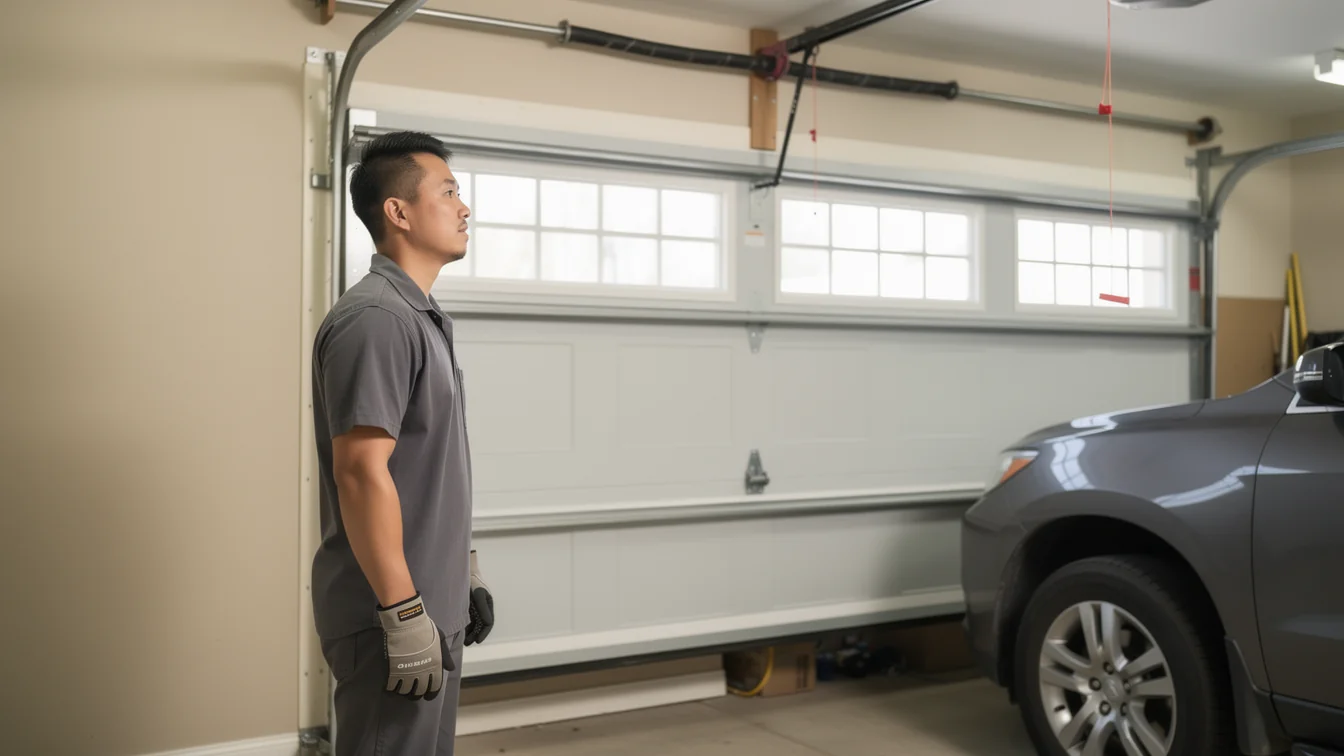 What a Technician Checks First
In Hoffman Estates, IL, technicians start with the spring, track, and hardware common to homes built 1955-2009, checking what the cold stresses first.
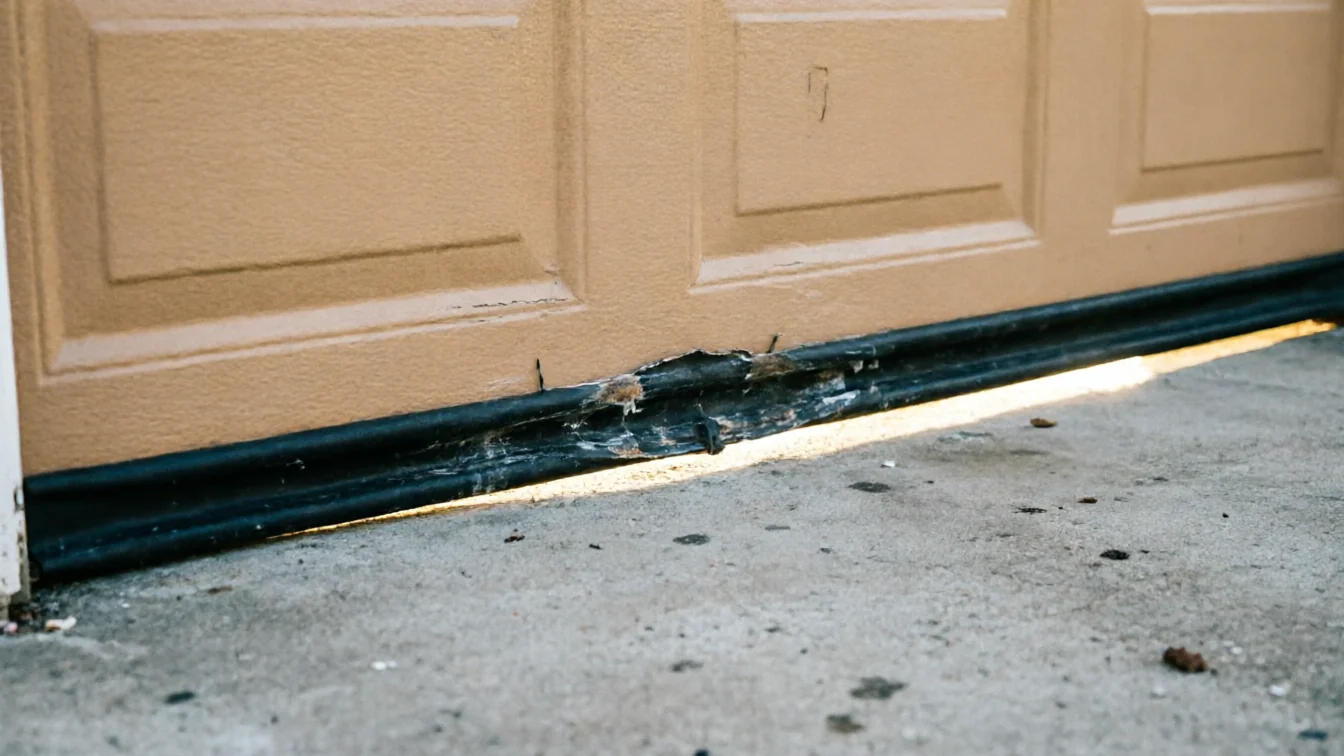 What to Know Before You Buy a New Garage Door Here
A buying guide for Hoffman Estates homeowners replacing a garage door, built around this area's 1955-2009 housing stock and severe cold winters.
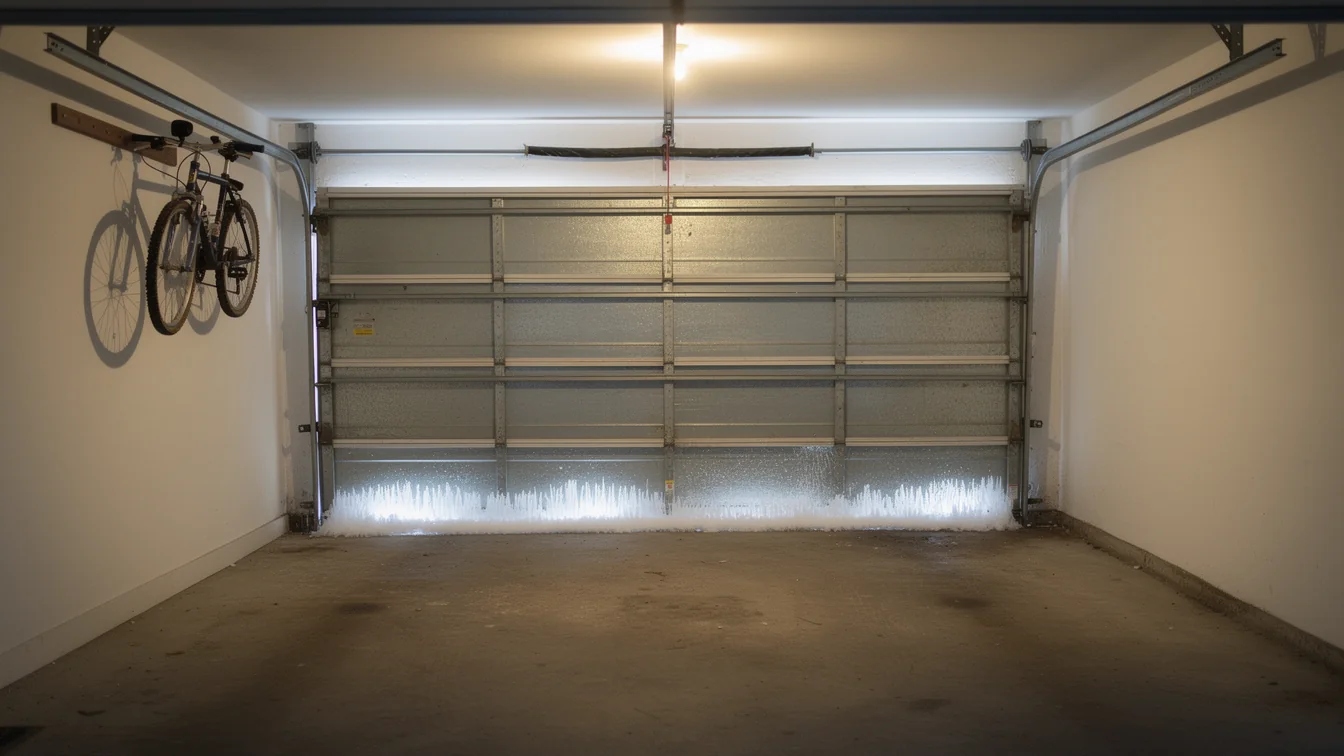 Detached and Attached Garages Don't Age the Same Here
How Hoffman Estates' 1955-2009 housing stock and severe cold winters treat detached and attached garage doors differently, and what that means for repair and upkeep.
Ready when you are
Need a garage door sorted in Hoffman Estates?
Hoffman Estates Garage Door Pros repairs and installs garage doors, springs and openers in Hoffman Estates, IL and the surrounding area.