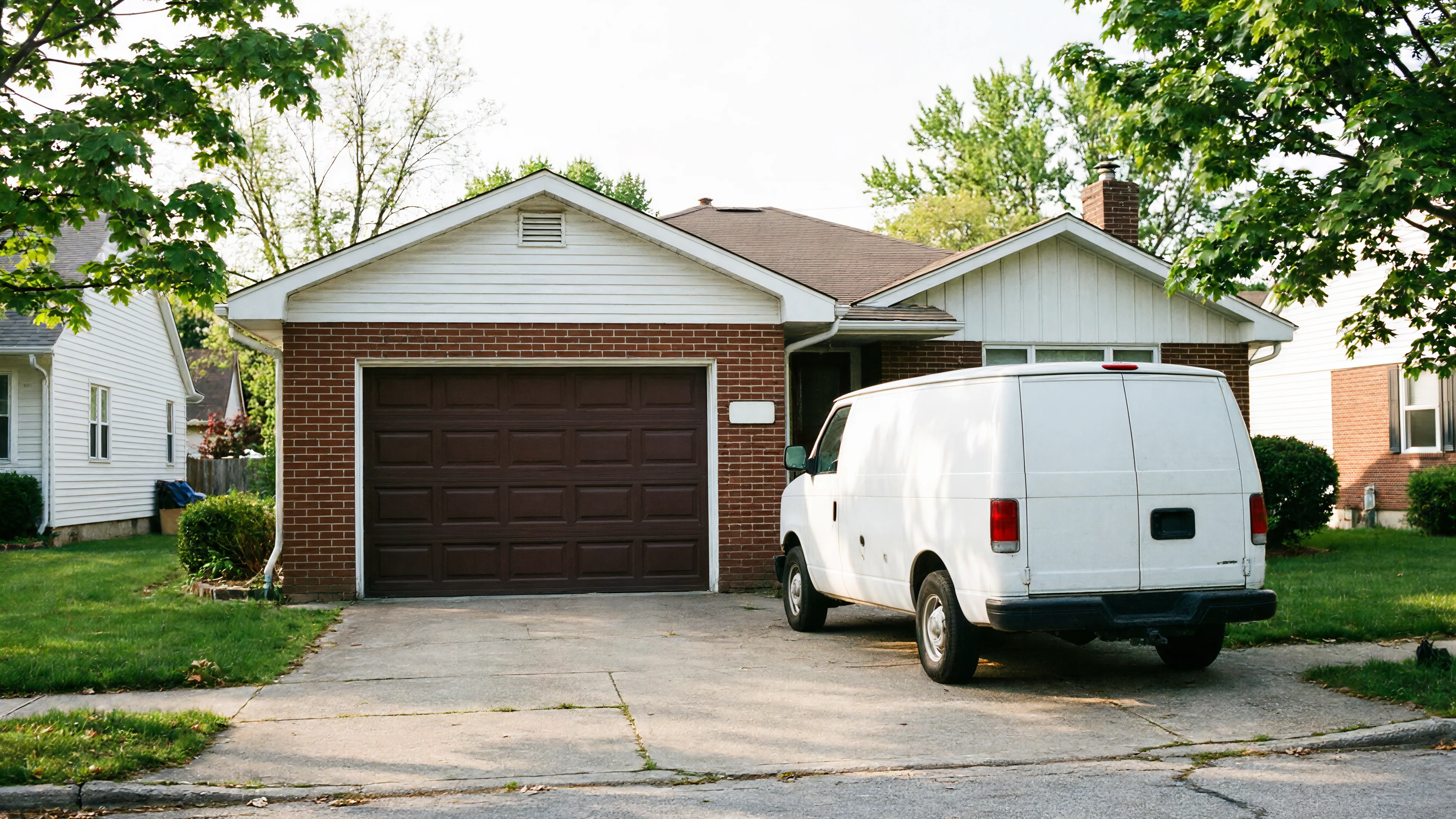
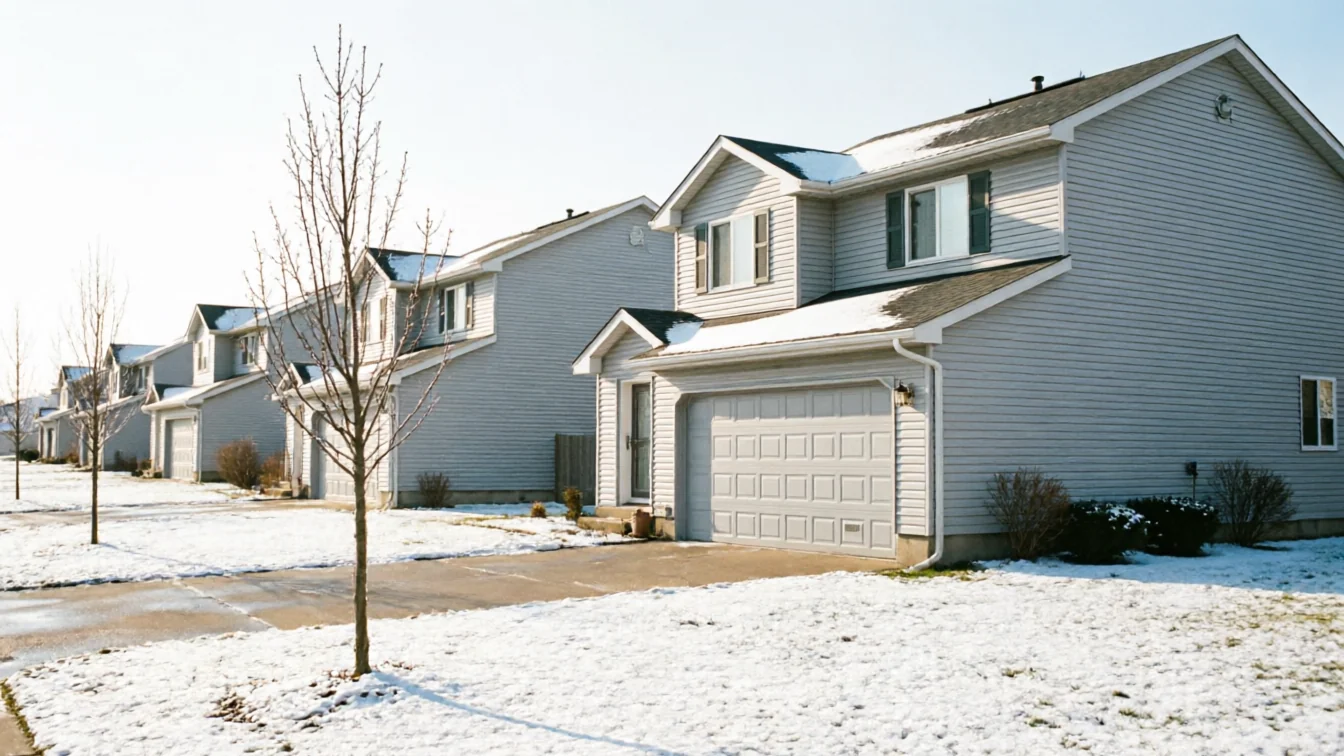
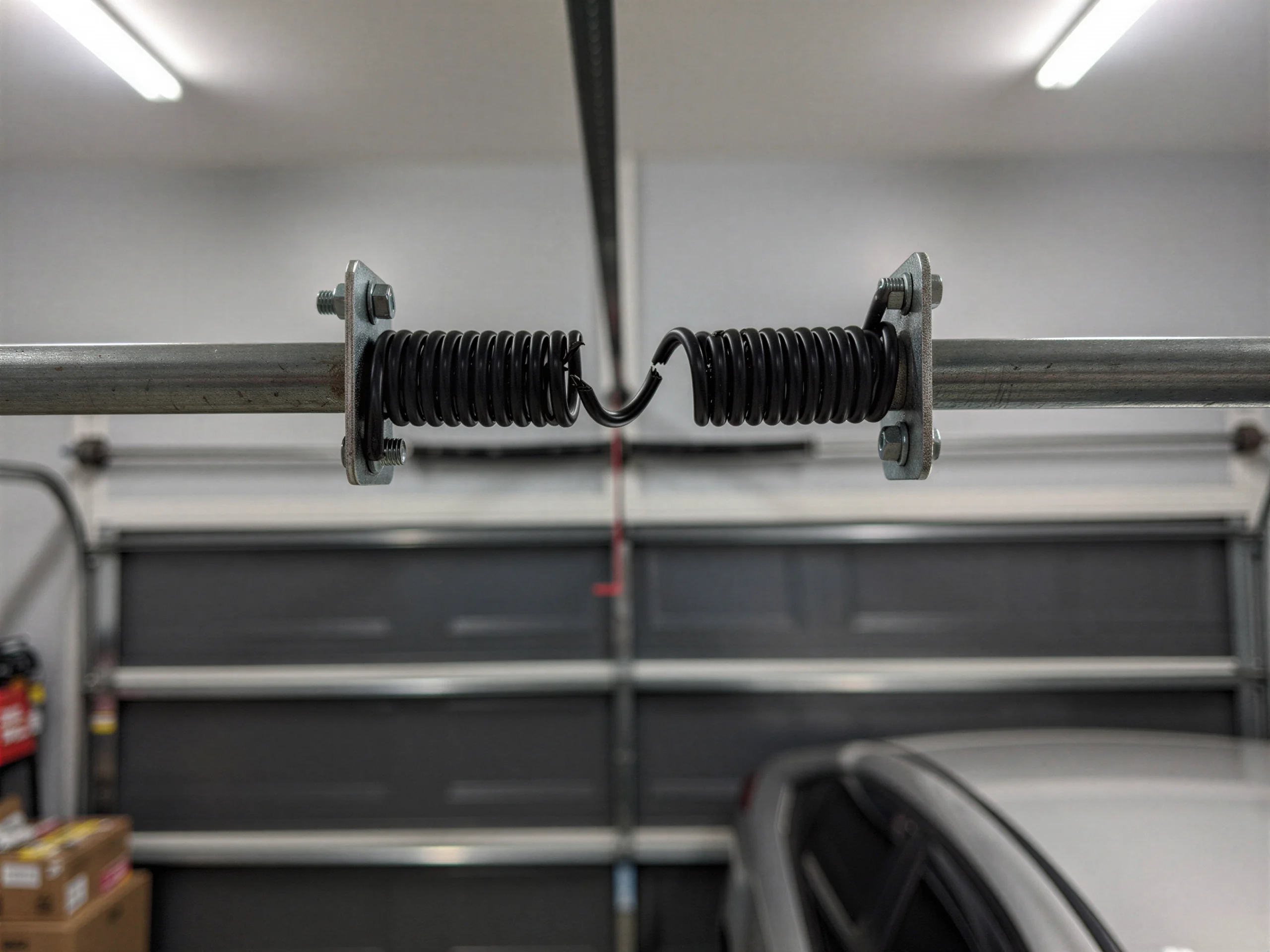
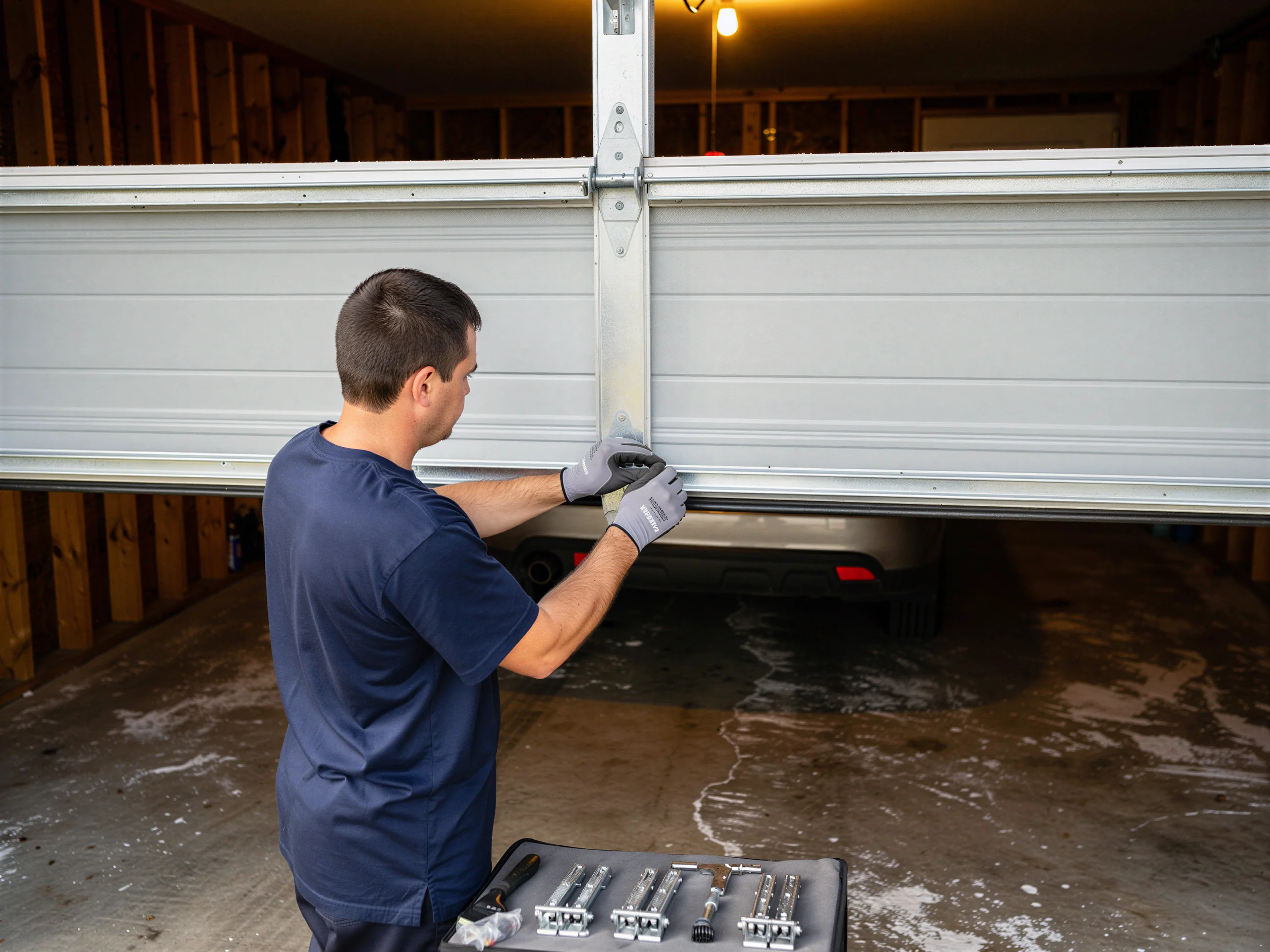
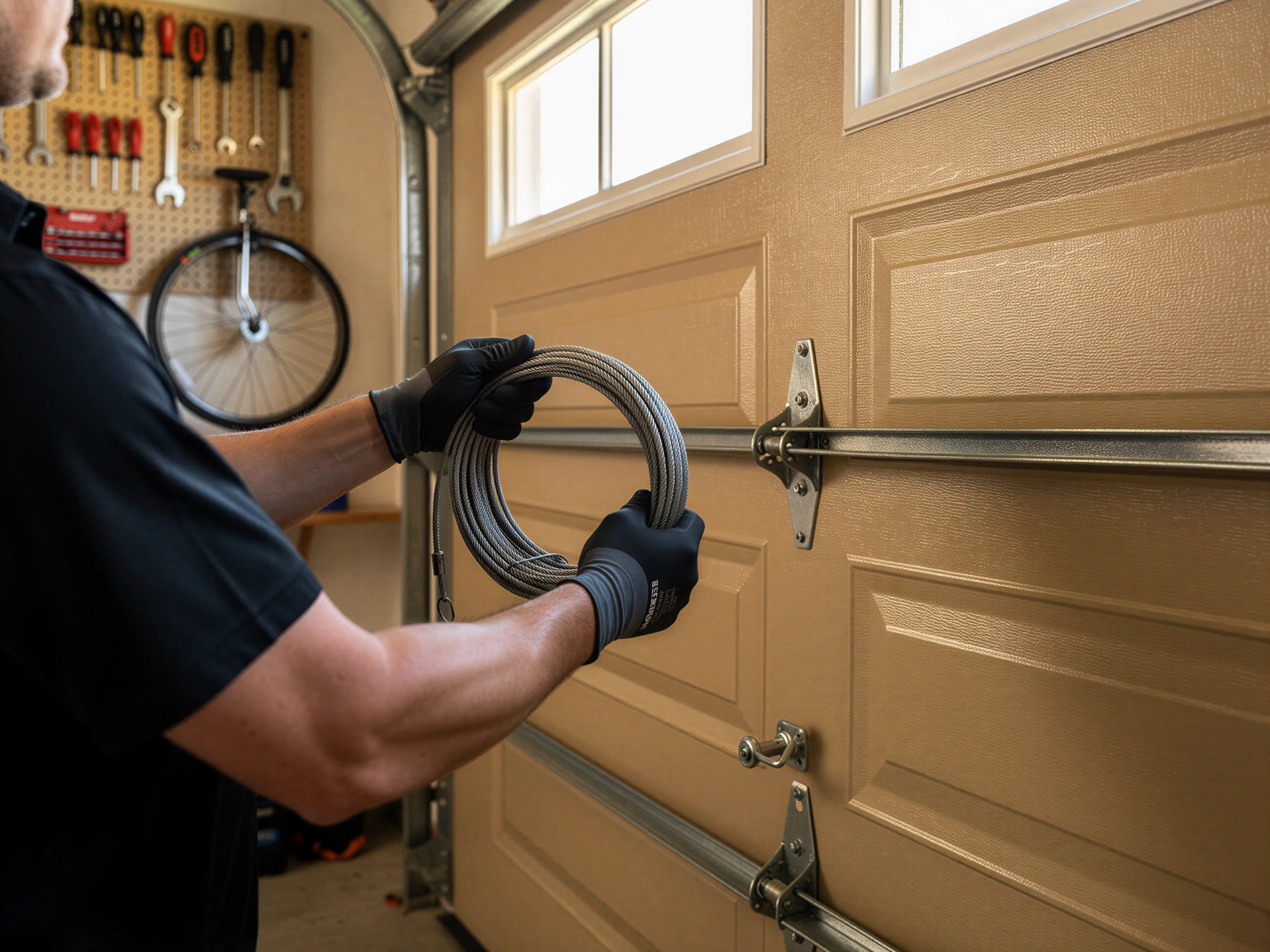
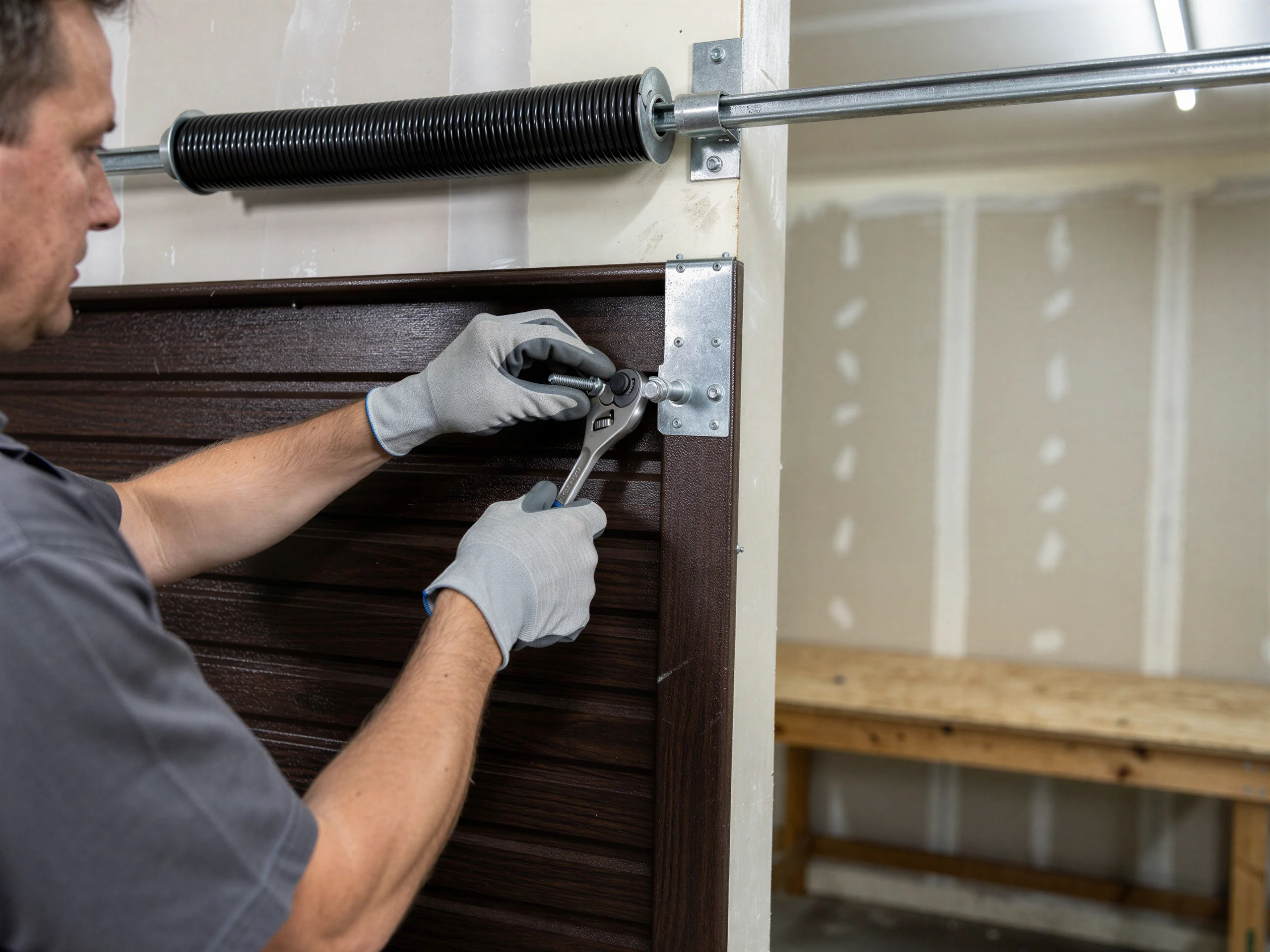
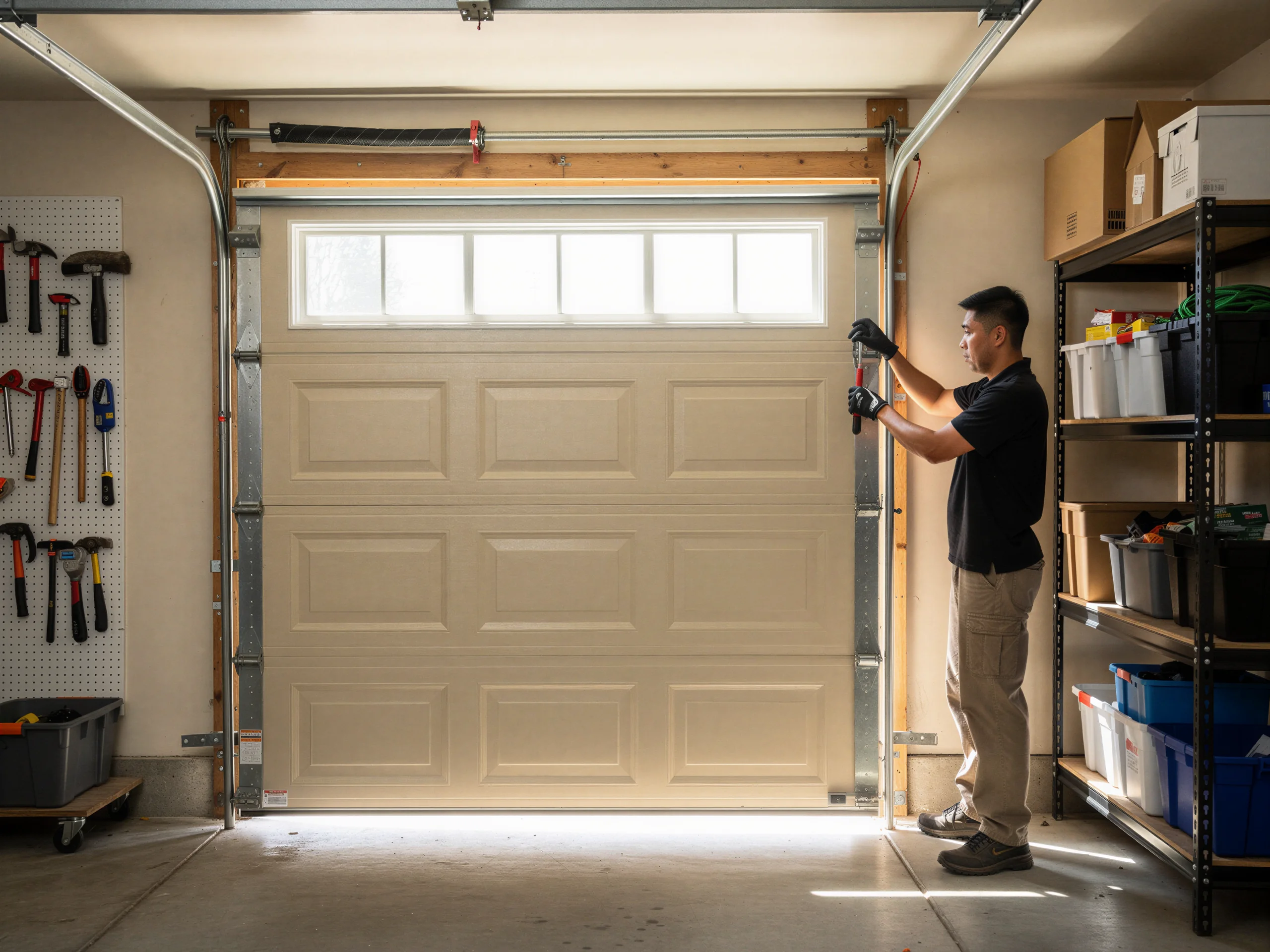
Two things stack on top of each other in this area. First, the housing: homes here were built mostly between 1955 and 2009, with the typical house dating to 1981, and that era of construction leaned on torsion spring systems that were standard for the time but are now 30 to 40 years into service lives that weren't designed to last that long. Second, the climate band here is rated cold and severe, which matters more than people expect - steel springs lose tension through repeated thermal cycling, and a spring that contracts hard every winter night wears out faster than the same part would in a milder region. Across the roughly 431,668 households and 215,904 owner-occupied houses in this service area, the dominant stock is still 1980s and 90s construction, which means a huge number of driveways are carrying the same spring size, the same opener era, and the same cold-weather stress at close to the same time. That's not a coincidence - it's why spring failure calls cluster hard here every winter instead of trickling in evenly through the year.