Fast garage door repair in Hoffman EstatesCall (847) 859-1949
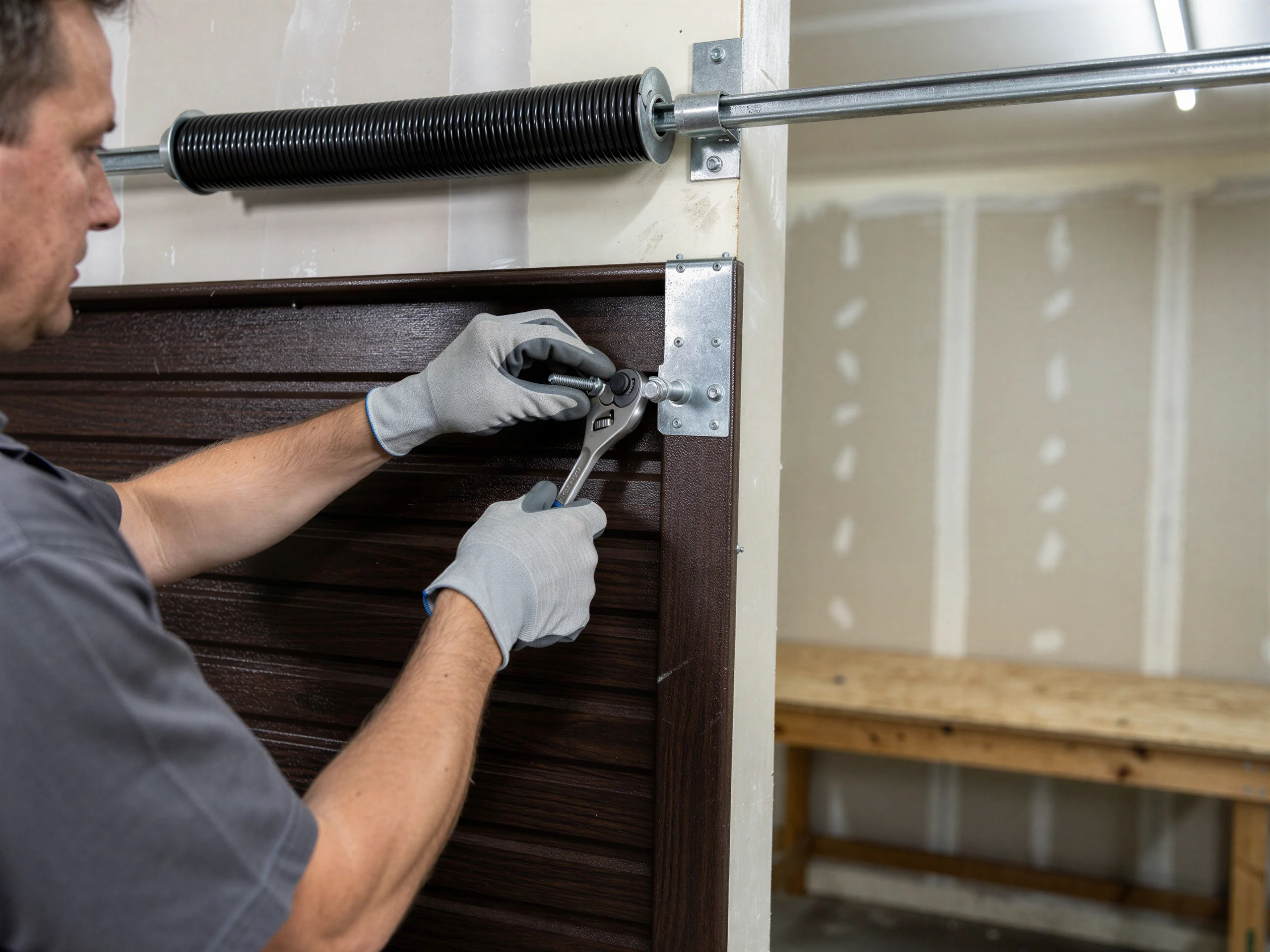
A technician in gloves adjusts a brown garage door with a wrench.

Elmhurst, Hoffman Estates

Garage Door Maintenance for Elmhurst Houses

Elmhurst homes run older than most of our service area and sit well above its income line. Here's how that changes the repair-or-replace call on your door.

Serving Hoffman Estates, ILBackground-checked techsHonest, upfront pricingFast local response

The repair

What the Repair Takes

Start with the number that actually decides most calls out here: median household income in Elmhurst sits at $145,374, well above the $111,898 median across the rest of the service area we cover from Hoffman Estates.

  1. Worth-repair judgment

    That matters because maintenance in this town rarely comes down to whether a repair is affordable. It comes down to whether a repair is worth doing at all on a door that's already near the end of its run. A tune-up - lubrication, hardware check, balance test, track alignment - takes under an hour and makes sense on almost any door, any age, any income bracket.

  2. Cracked panel decisions

    The harder call is when a tech finds a cracked panel or a spring sized for a door that's been replaced once already. On a house where the owner can clearly afford a new opener and insulated door, we're not going to talk someone into patching a worn-out torsion system just to save a service call.

  3. Two-year cost comparison

    We'll tell you straight when the repair costs more over two years than the replacement costs once. We travel the 16 miles out from Hoffman Estates for these calls. That's not a same-day drop-in distance - it's a scheduled visit, which is one more reason a maintenance plan that catches problems early beats a reactive call when a cable snaps on a Saturday.

Watch-outs

What Can Go Wrong

The median year built in Elmhurst is 1964 - noticeably older than the 1981 median across the broader service area. That fourteen-year gap isn't trivial on a garage door system.

Patched 1960s door history

Houses from the mid-1960s were built with single-layer steel or wood doors, lighter springs, and track hardware that's been through multiple replacement cycles by now, not all of them done by someone who matched the spring to the door weight correctly.

Springs rated too light

What we actually see on these older sections: frayed cable strands where the drum has worn a groove, torsion springs rated for a door ten pounds lighter than what's hanging on them now, and rollers that were swapped with the wrong size at some point and have been chewing up the track ever since.

Sudden spring failure pattern

None of that shows up as an obvious symptom until the day it does - a spring doesn't fray gradually, it holds and then it doesn't. Opener hardware is a second layer of the same problem. A 1960s-era house that's had three openers installed over the decades often has mismatched safety sensors or a sensor beam at the wrong height for current code. We check that on every maintenance visit, because it's cheap to fix and expensive to ignore.

Local causes

Why It Happens Here

Two things compound on houses this age: the building stock and the climate. This region sits in a severe cold climate band, and a door built or last serviced when the median local house went up - 1964 - was not engineered with today's cold-weather lubricant standards or insulated panel cores in mind. Steel contracts in the cold, and a track that was aligned in July can bind in January on a door frame that's shifted slightly over sixty years of freeze-thaw cycles.

The springs feel it too. Old-formula lubricant thickens in cold, torsion springs lose a little tension capacity, and a spring that was already marginal for the door's weight starts showing play at the bottom of the travel. It's a slow problem, which is exactly why maintenance catches it and emergency calls don't - by the time a spring fails outright, it's been telling you for months.

We're not going to claim every Elmhurst garage shows this pattern. Plenty of doors here have been replaced in the last decade and don't have any of it. But on the original 1960s stock that's never been fully replaced, it's the rule more than the exception.

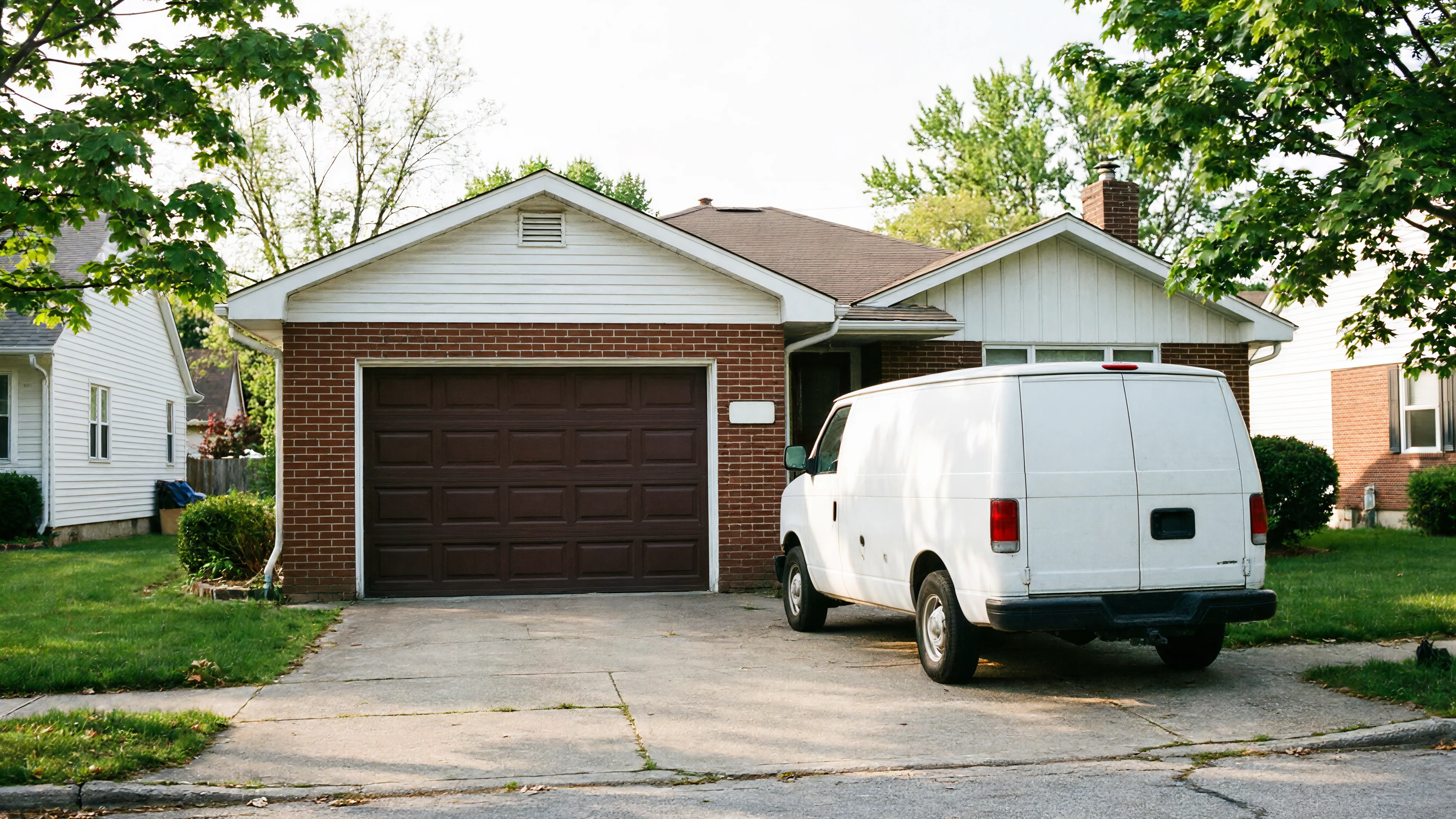
A white van is parked in a driveway in front of a brick house with a brown garage door.

Downtime

How Long You Are Without the Door

A standard maintenance visit - inspection, lube, balance adjustment, hardware tightening - runs under an hour once the tech is on site.

Door stays in use

The door stays operable the whole time; we're not pulling it off the track for a tune-up. Where it gets longer is if the inspection turns up something that needs a part we don't carry on the truck for an older door. Matching a torsion spring to a 1960s-era door that's been modified once already sometimes means ordering the right size rather than grabbing a stock one, and that can add a day or two before the follow-up visit.

Scheduled visits, not walk-ups

We'd rather tell you that up front than force a mismatched spring onto a door it wasn't sized for. Given the 16-mile run from Hoffman Estates, we schedule these visits rather than treat them as walk-up stops, so plan for an appointment window rather than a same-hour arrival.

DIY or pro

The DIY Question

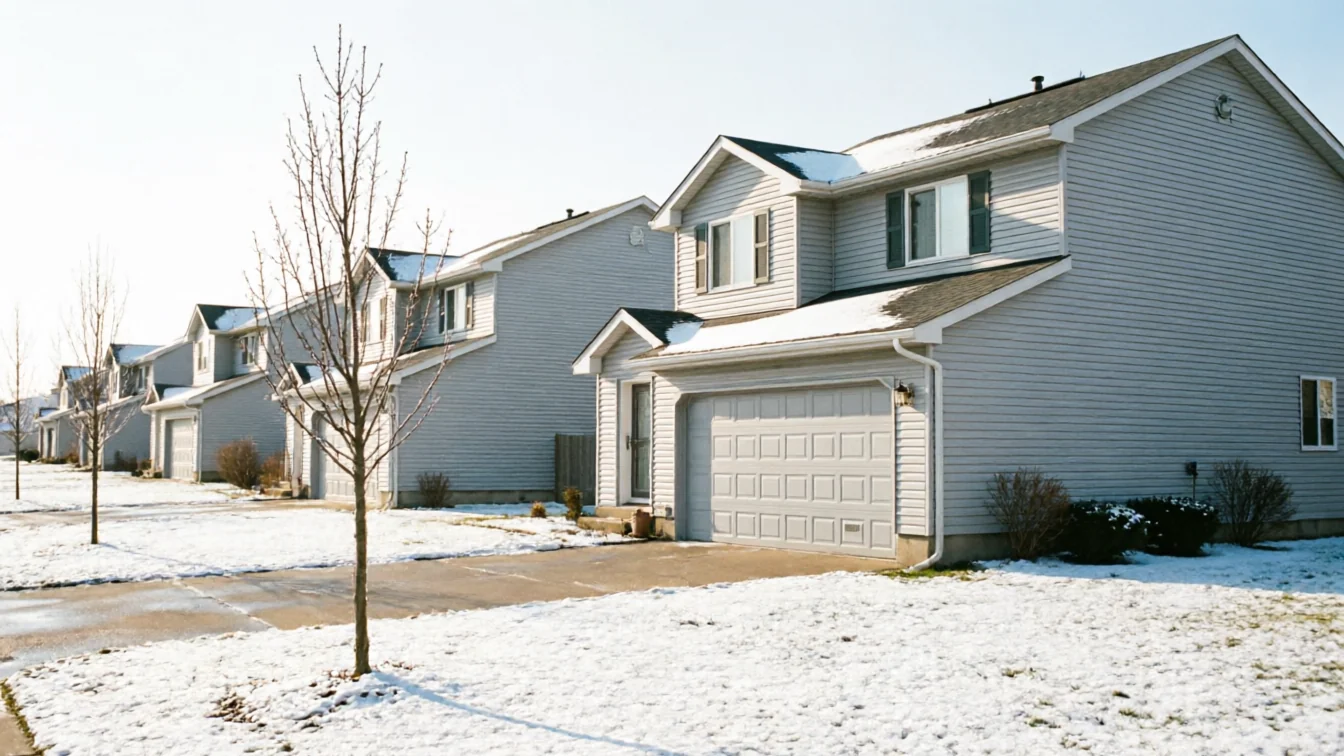
A row of houses with light gray siding and white garage doors in winter.

Lubricating hinges and rollers with the right garage-door-specific grease, checking that the auto-reverse sensors still trigger, and visually scanning cables for fraying - all of that is reasonable for an owner to do twice a year, and it catches a fair share of problems before they become calls.

What we don't recommend doing yourself: adjusting torsion spring tension, or touching anything on a door where the spring is already showing visible wear. These springs store enough force to cause a serious injury, and on an older Elmhurst house where the spring may have been resized incorrectly at some point in the past, you can't always tell by looking whether it's under more tension than it should be. That's the one place we draw a hard line regardless of income bracket or how handy the homeowner is.

If your door is from the original 1960s build and has never had a full hardware inspection, that's worth a professional visit before you do anything else to it.

Warning signs

How It Shows Up

On a 1964-era house, the first sign is usually noise - a grinding or popping on the way up, coming from a roller that's worn past its bearing or a cable riding slightly off the drum groove.

Changing door sound

Owners often describe it as the door sounding different than it used to, which is a fair description of a part wearing out gradually rather than failing suddenly.

Tilt a third open

The second sign is the door hanging unevenly, visible as a slight tilt when it's about a third of the way open. That's usually a spring losing tension unevenly on a two-spring system, and it's worth a call before it progresses to one side failing outright while the other holds.

Catching early signs

With 16,863 households in Elmhurst and a housing stock skewed older than the rest of our coverage area, we see this pattern often enough that a maintenance visit here is less about preventing something exotic and more about catching the ordinary wear that a sixty-year-old door accumulates. See our Elmhurst coverage or compare against our Hoffman Estates maintenance page for the home-base numbers.

Questions

Common questions

Is it worth maintaining an old garage door instead of replacing it?

Often yes, if the panel and track are sound. A tune-up on a 1960s door costs far less than replacement and can add years of service. We'll tell you plainly if a tech finds structural wear - a cracked panel or a track bent beyond adjustment - where maintenance would just be delaying a replacement you'll need anyway.

How often should an older Elmhurst door get serviced?

Twice a year is reasonable for a door built in the 1960s or earlier, given the severe cold climate here and the age of the hardware on most original installs. Spring and fall visits catch the seasonal binding and lubricant breakdown before they turn into a stuck or failed door.

Do you have a local branch in Elmhurst?

No. We run out of Hoffman Estates, about 16 miles away, and schedule Elmhurst maintenance visits as appointments rather than same-hour calls. That distance is also why a planned tune-up beats waiting for an emergency breakdown.

Explore more

More Services in Elmhurst

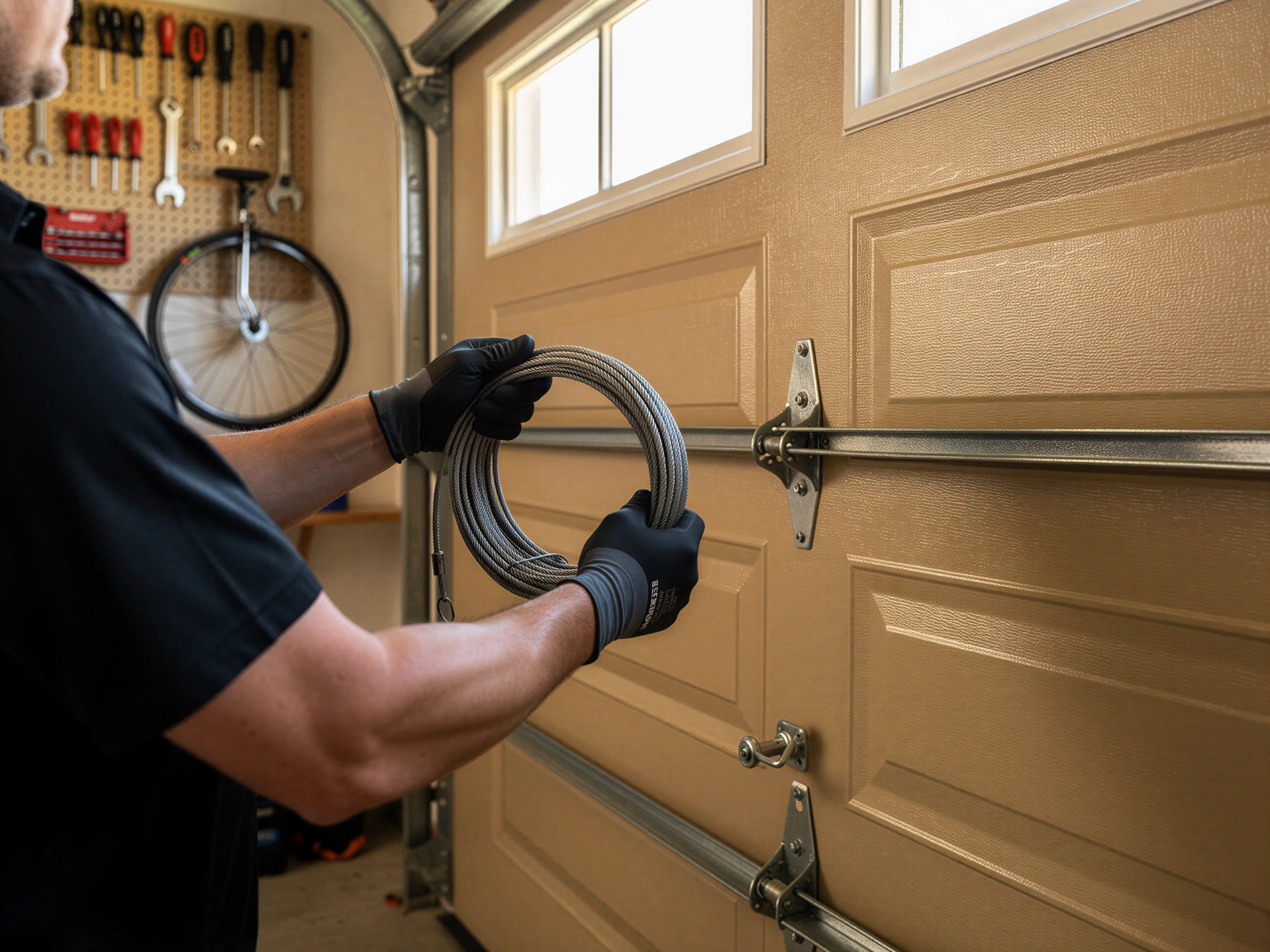
A technician in black gloves holds a coiled cable next to a tan garage door.

Cable Repair

Elmhurst's 16,863 households sit on 1960s-era construction, older than most of the service area. Learn more →
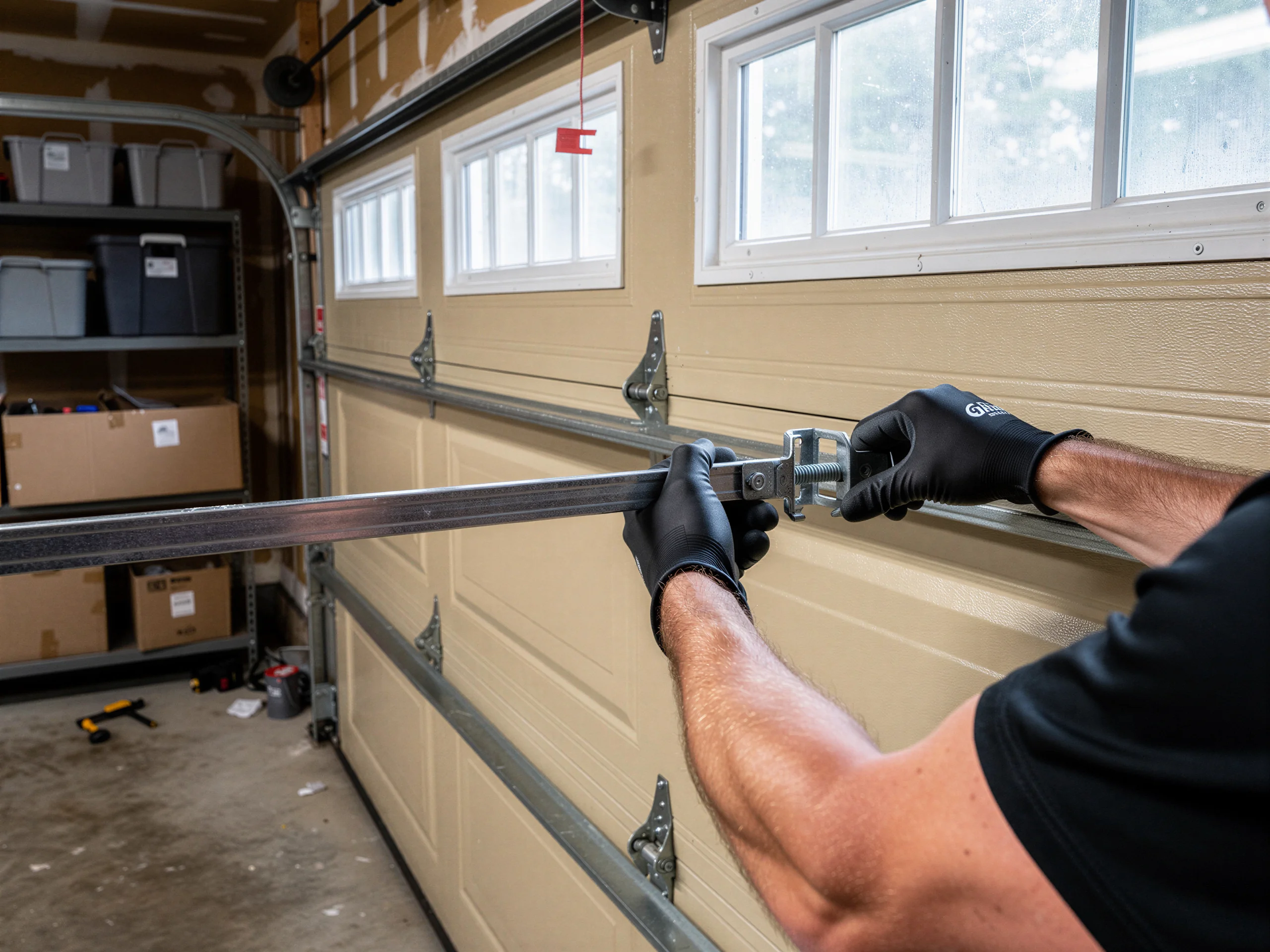
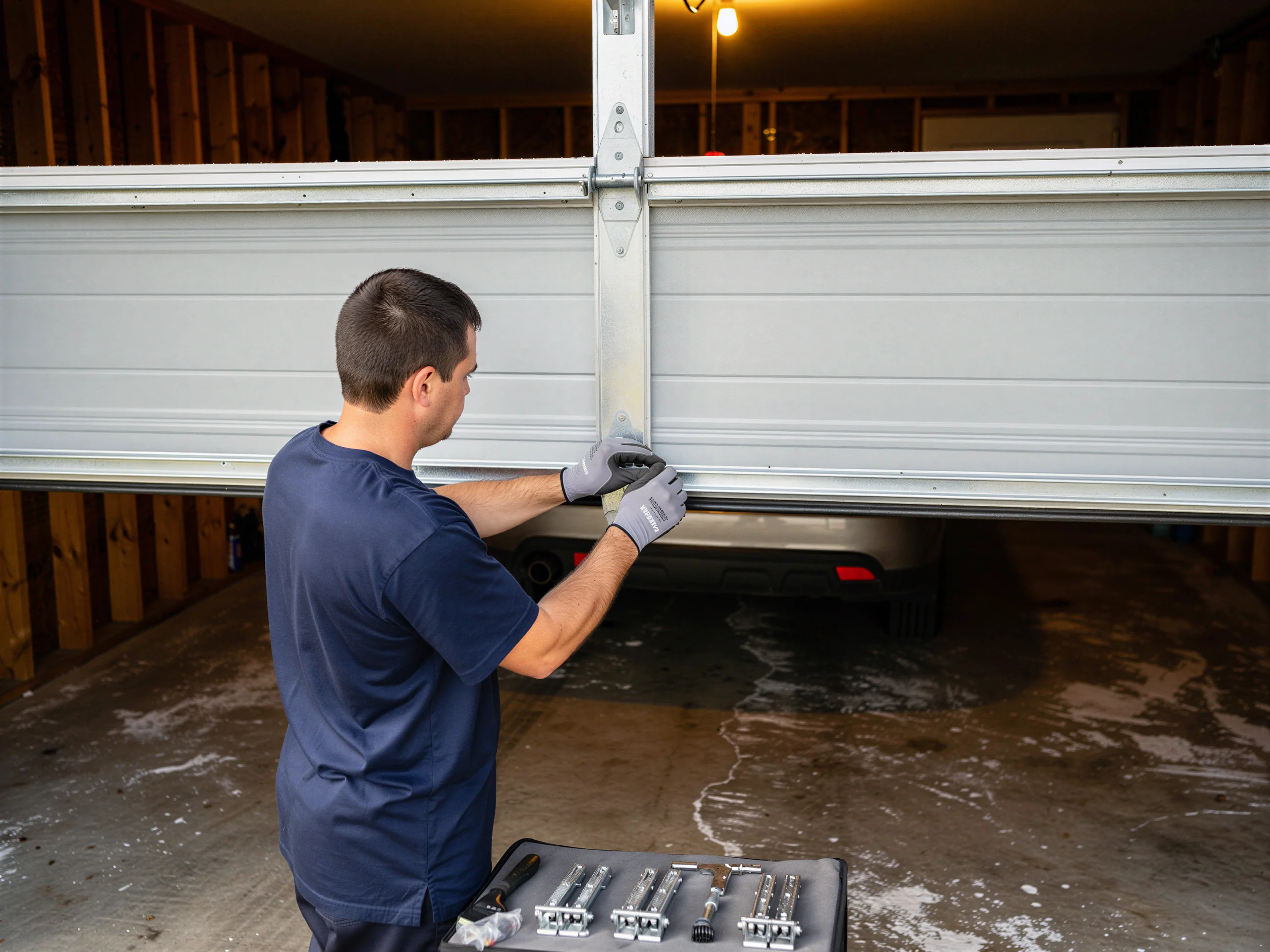
A technician in black gloves adjusts a metal garage door strut.

Garage Door Repair

Elmhurst homes went up around 1964, years before the service area's 1981 median. Learn more →
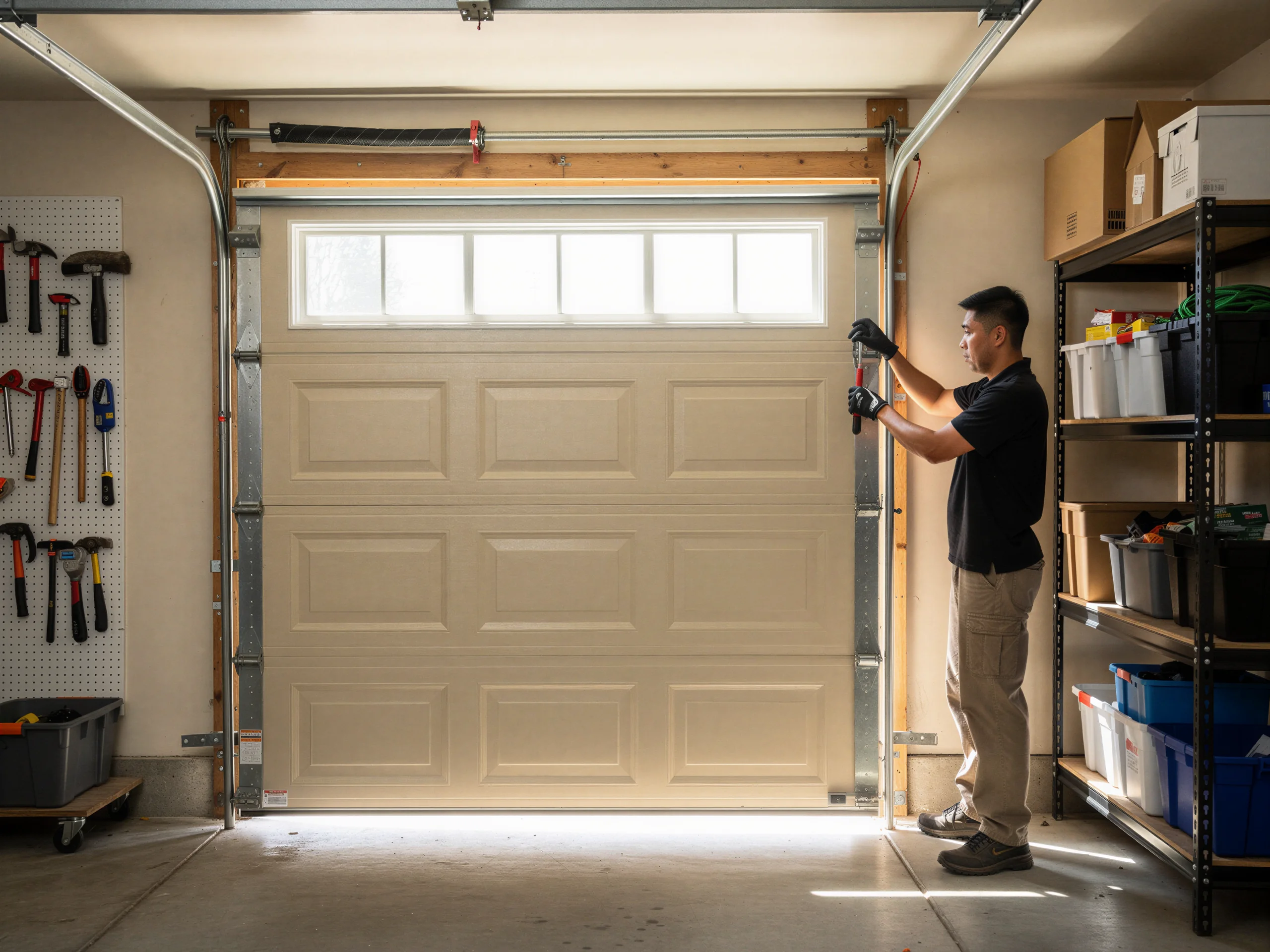
A technician in gloves adjusts a brown garage door with a wrench.

Garage Door Service

Elmhurst homes mostly date to 1964, older hardware than much of our area. Learn more →
A technician in black gloves adjusts a beige garage door with windows.

New Door Installation

Elmhurst homes date to 1964, older than our area's typical 1980s-90s stock. Learn more →
A technician in gloves is working on a white garage door.

Panel Replacement

Elmhurst's garage doors mostly date to the 1960s housing boom, meaning single-skin steel panels and dented low-gauge sections. Learn more →
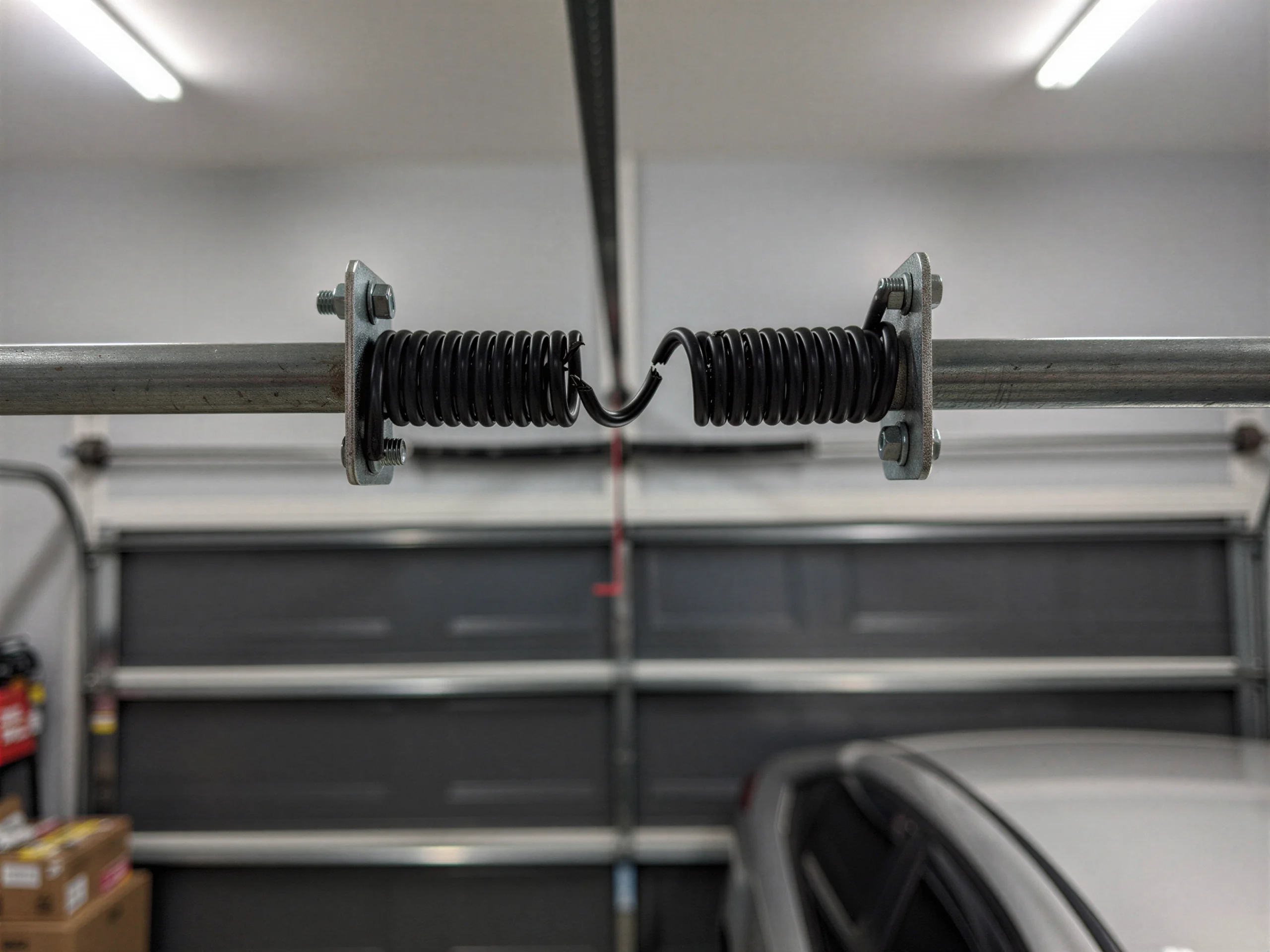
A broken torsion spring is visible on a metal rod above a garage door.

Spring Repair

Elmhurst homes mostly date to 1964, decades before much of our coverage area. Learn more →

Ready when you are

Need a garage door sorted in Hoffman Estates?

Hoffman Estates Garage Door Pros repairs and installs garage doors, springs and openers in Hoffman Estates, IL and the surrounding area.

Call Now(847) 859-1949