
Thirty-year-old tracks
Here, the median build year sits around 1994, so most doors and openers are of a similar generation: later torsion setups, mid-90s chain or belt drive openers, galvanized tracks that are now pushing 30 years old.
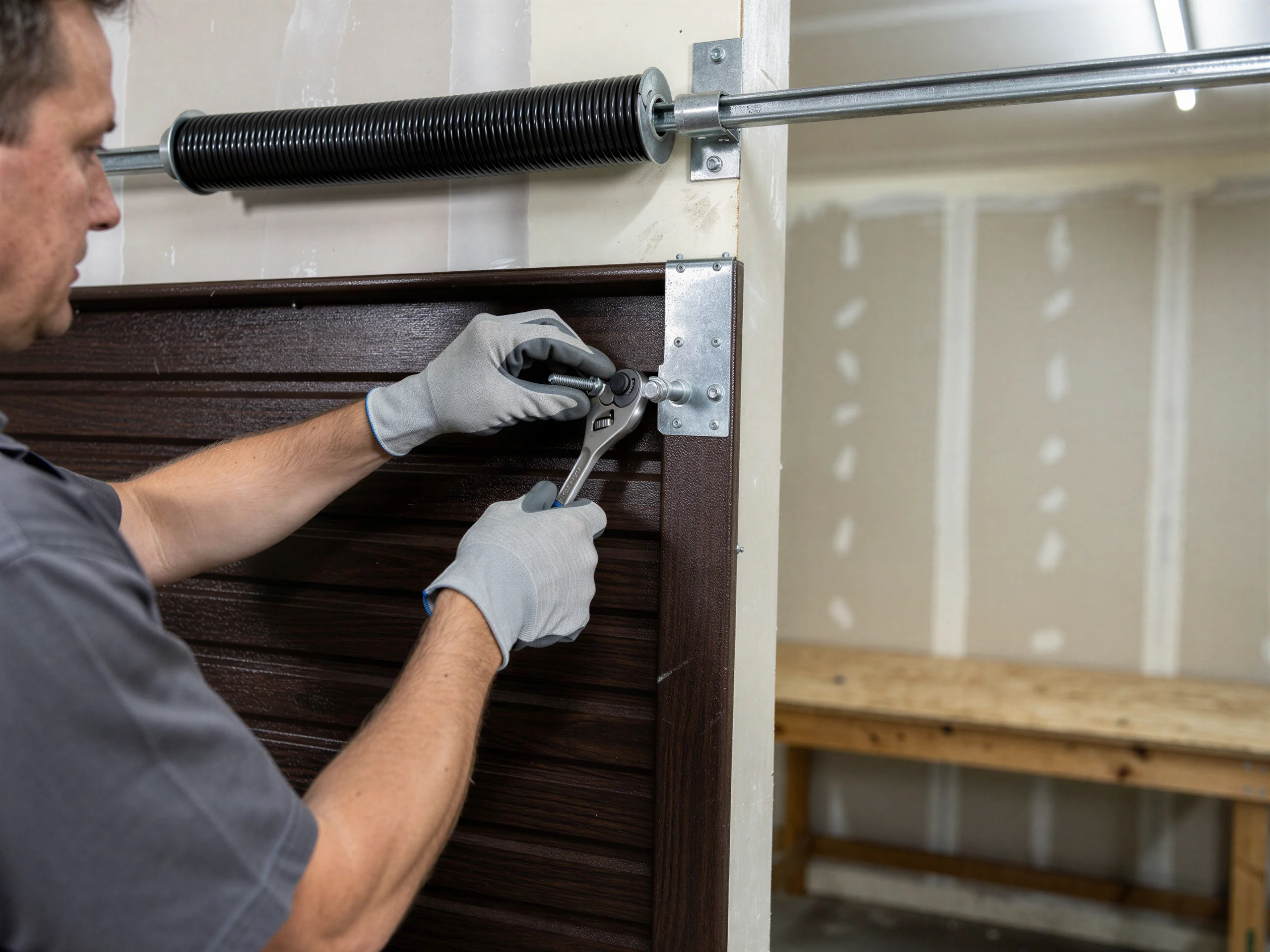
South Barrington, Hoffman Estates
Garage door maintenance for South Barrington's 1,703 households, built mostly around 1994. We travel 2 miles from Hoffman Estates to service newer torsion hardware before it fails.
DIY or pro
South Barrington is a small place - about 1,703 households, not a sprawling grid like some of the towns we cover. That matters for maintenance because the housing here is more uniform in age than you'd find across the wider area, where stock runs from 1955 up through 2009.
Here, the median build year sits around 1994, so most doors and openers are of a similar generation: later torsion setups, mid-90s chain or belt drive openers, galvanized tracks that are now pushing 30 years old.
Can you do some of this yourself? Yes, partly. You can wipe down tracks, check that the photo-eye sensors aren't knocked out of alignment, and listen for grinding on the way up.
What you shouldn't do is lubricate a torsion spring expecting that to fix a spring that's lost tension, or tighten lag bolts on a bracket that's already pulled loose from the jamb - that's a sign the wood around it is failing, not the hardware. We travel from Hoffman Estates, about 2 miles out, so a same-day look is realistic, but we'd rather you call before a cable snaps than after.
Local causes
The climate band here is cold and severe, and that's the real driver behind most of the maintenance calls we get regardless of the town. Grease that was fine in August turns thick in January, torsion springs lose a bit of tension every winter, and steel tracks contract just enough to throw rollers out of alignment. None of that is unique to South Barrington, but what is specific to this spot is the age bracket of the hardware it's acting on.
A door and opener installed around 1994 is old enough that the original lubricant has broken down several times over, and the nylon rollers that came standard then are brittle by now. Add in a median household income here over $211,000 - well above the service area's $111,898 - and what we see on the ground is less patched-together hardware and more full torsion and opener systems that were installed well but never serviced on a schedule. The fix in winter is rarely 'replace the spring,' it's catching the wear before the cold finishes the job.
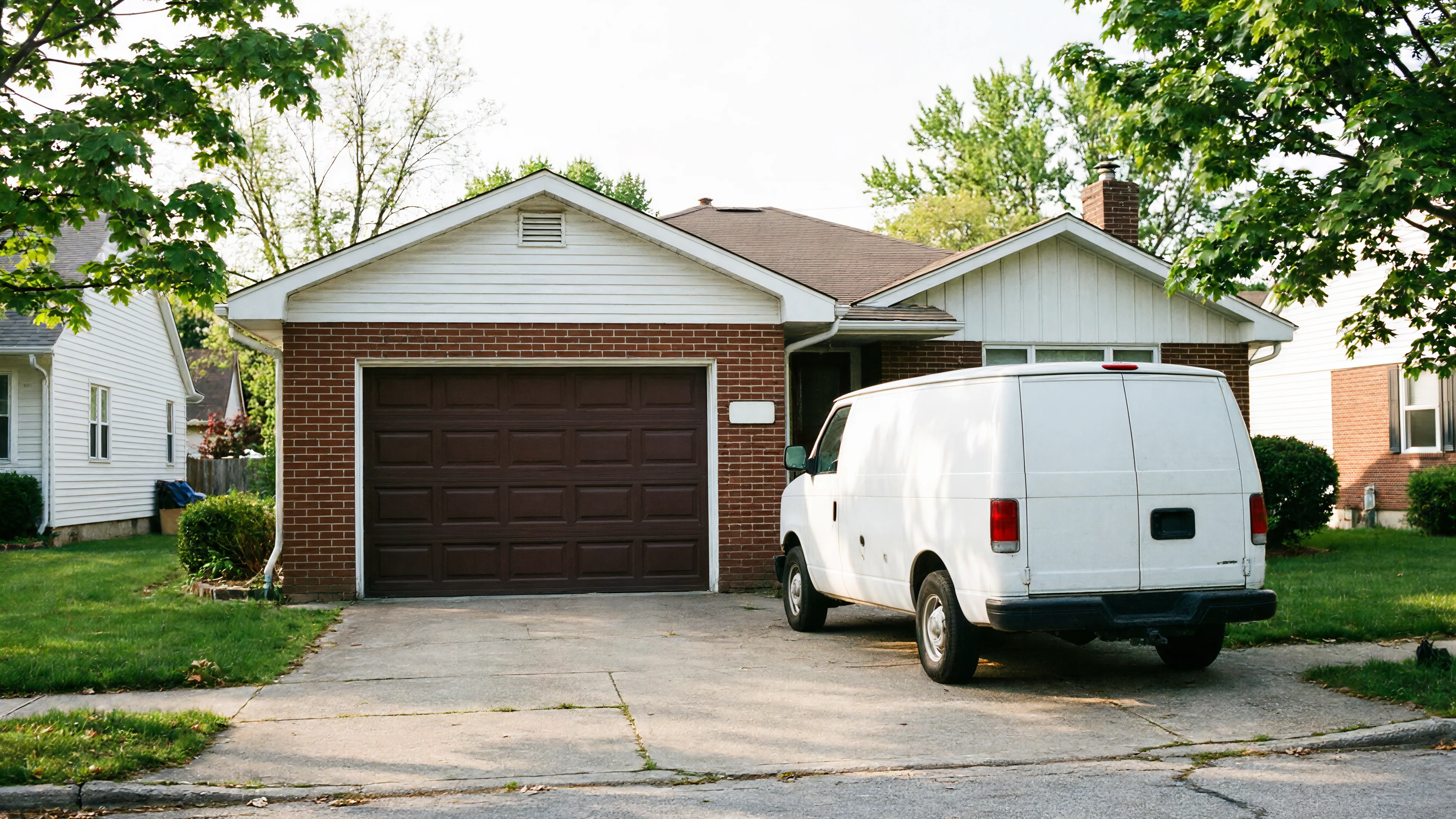
Warning signs
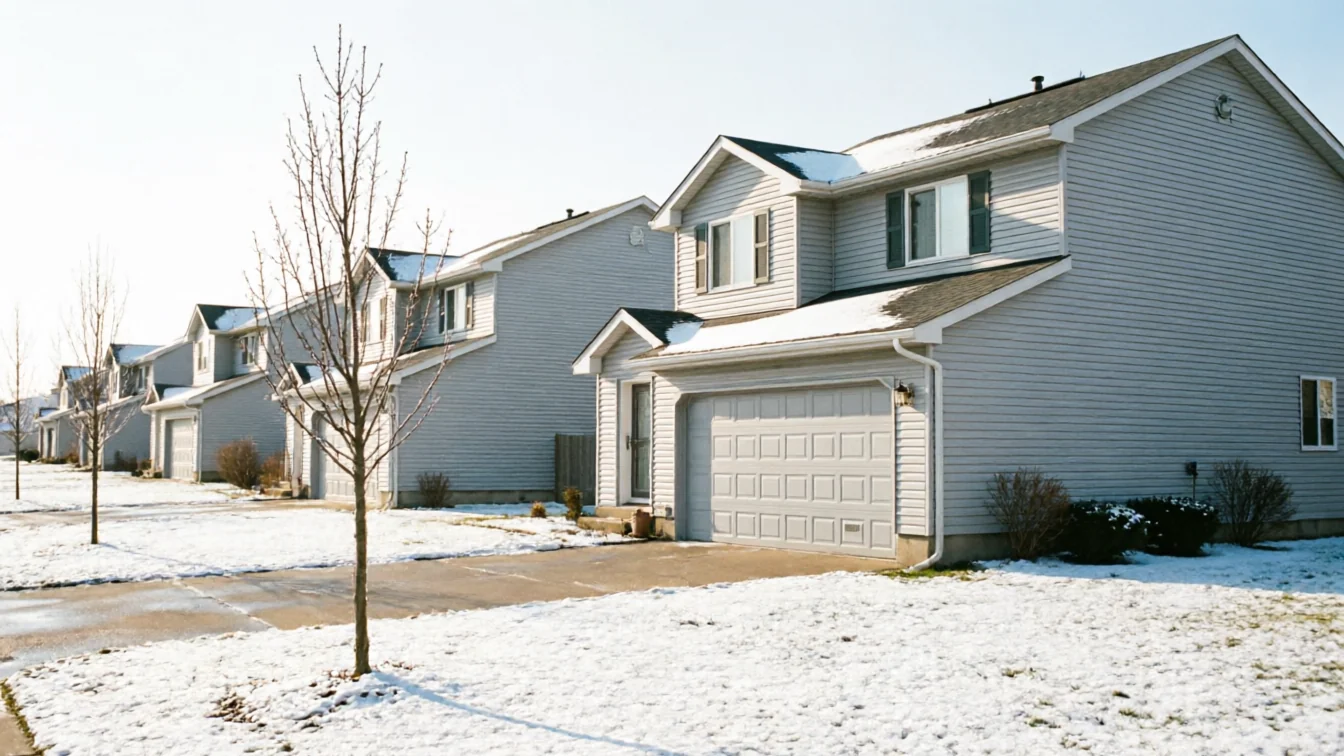
On a door from the early-to-mid 90s, the first sign is usually noise - not a squeal, more like a rhythmic thump from a flat spot on a roller, or a hesitation partway up where the opener's travel limits have drifted. You might also notice the door closing slightly crooked, which on torsion hardware this age often traces back to one spring having lost tension faster than its pair.
Another pattern specific to housing from this era: openers installed new in the mid-90s often ran their original drive gear for two decades before anyone touched them, so when they finally slip, they slip hard and fast rather than gradually. If your door reverses for no reason, or the opener runs louder than it used to without actually failing, that's wear accumulating quietly rather than a sudden break.
Booking
We cover South Barrington from our base in Hoffman Estates, about 2 miles away, so getting someone out doesn't take much lead time.
There's no local branch or drop-in counter here - the truck comes from Hoffman Estates - but the distance is short enough that scheduling a maintenance visit works the same as booking one for the town we're based in.
If you want the coverage details or want to see what else we handle nearby, the South Barrington coverage page has that. For the full rundown of maintenance service as we offer it in Hoffman Estates itself, see the Hoffman Estates maintenance page.
Downtime
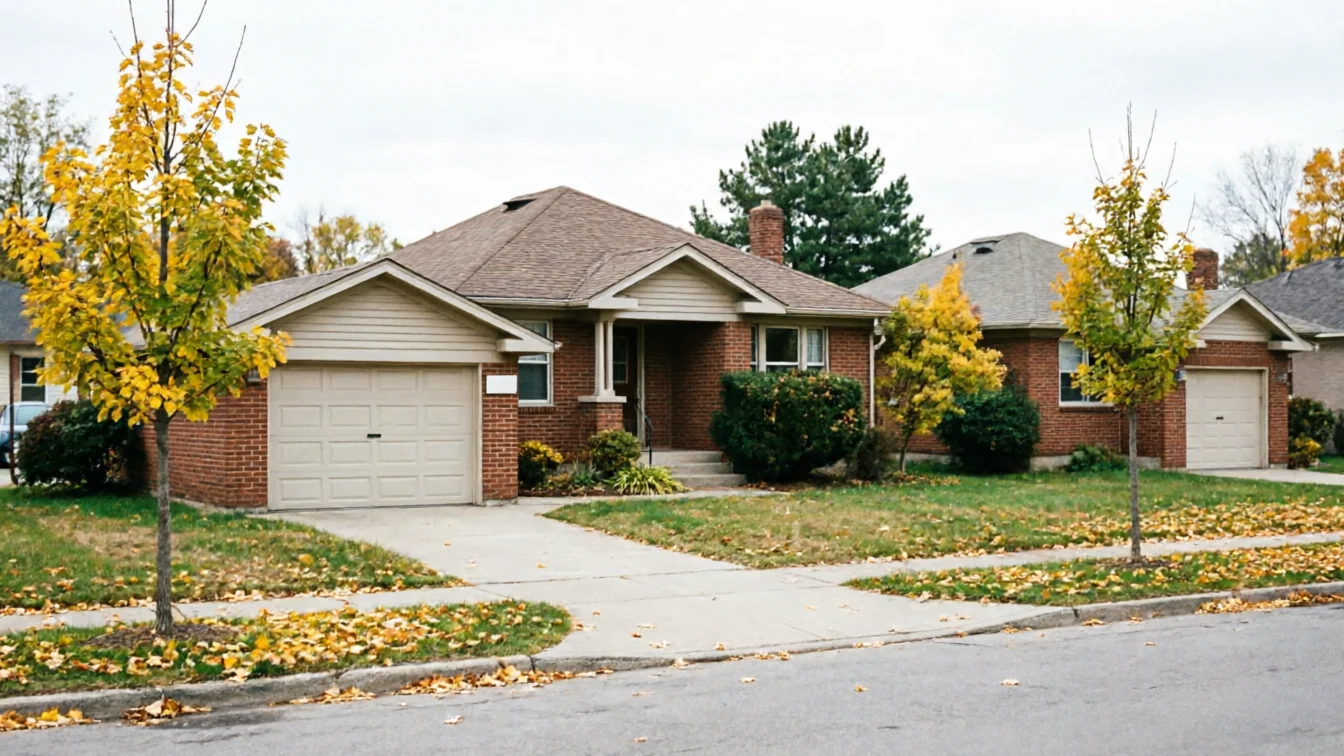
A standard maintenance visit - lubrication, hardware check, spring tension check, opener inspection - doesn't put your door out of service at all; you can use it again as soon as we're done. Where it gets longer is if we find something that needs a part we don't carry on the truck. Springs sized for the heavier insulated doors common in newer construction aren't always a stock item, and if that's what's worn out, you're looking at a wait for the part rather than a same-visit fix.
We won't pretend otherwise: if your 1994-era opener's drive gear has stripped, or a torsion spring rated for an unusual door weight needs ordering, that's a return trip. Most maintenance findings, though, get resolved in the same appointment.
Watch-outs
The honest limitation first: maintenance catches wear, it doesn't reverse it. If a spring is already down to a fraction of its rated cycles, lubricating it won't buy you years back - at that point replacement is the right call, not another service visit. We'll tell you when that line has been crossed instead of running up a bill on a part that's going to fail anyway.
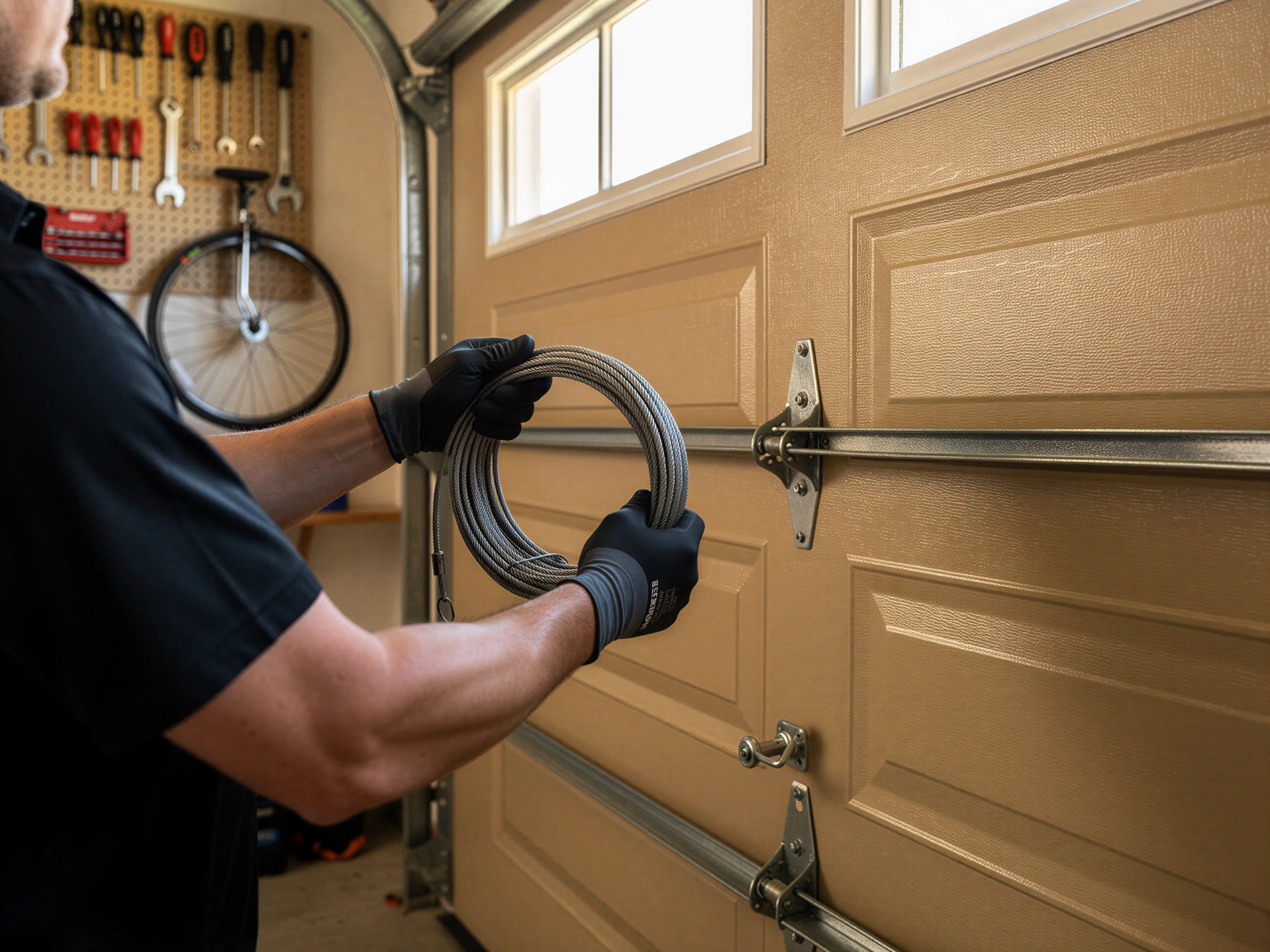
Beyond that, the things that go wrong on doors this age cluster around a few spots: cables fraying where they wrap the drum, especially on doors that get used several times a day; bottom brackets working loose where the door panel has flexed over 30 winters of expansion and contraction; and photo-eye sensors drifting out of alignment after a bump, which shows up as a door that won't close rather than one that won't open. None of these are dramatic until they are - a frayed cable under tension can let go suddenly, which is why we'd rather catch it during a scheduled check than get the call after.
Questions
Once a year is reasonable for hardware from that era, more if the door gets heavy daily use. The cold winters here are harder on lubricant and spring tension than the hardware's actual age, so an annual check before winter catches most of what would otherwise fail in January.
No - we run out of Hoffman Estates, about 2 miles away, and cover South Barrington from there. There's no separate local office, just a short drive for the truck.
Not always, but on an opener installed around 1994, increasing noise usually means the drive gear or chain is wearing out rather than just needing lubrication. Worth having checked before it stops working mid-cycle.
No. Lubrication and adjustment help hardware that's still within its working life, but a spring that's lost most of its tension needs replacing, not servicing. We'll tell you straight if that's what we find.
Explore more
Ready when you are
Hoffman Estates Garage Door Pros repairs and installs garage doors, springs and openers in Hoffman Estates, IL and the surrounding area.